What Is a Vessel Operator, and Why Does It Matter?
You’ve got a shipment ready, your buyer’s waiting, and your freight agent just asked, “Do you want it booked under a vessel operator or an NVOCC?”
You pause. The terms sound familiar, yet unclear. One runs the ship, one sells space — but which one gives you more control, faster transit, or better rates?
This confusion isn’t small. It’s what separates a smooth shipment from one stuck at port. Let’s break down what a vessel operator really does and how it differs from an NVOCC, in plain English.
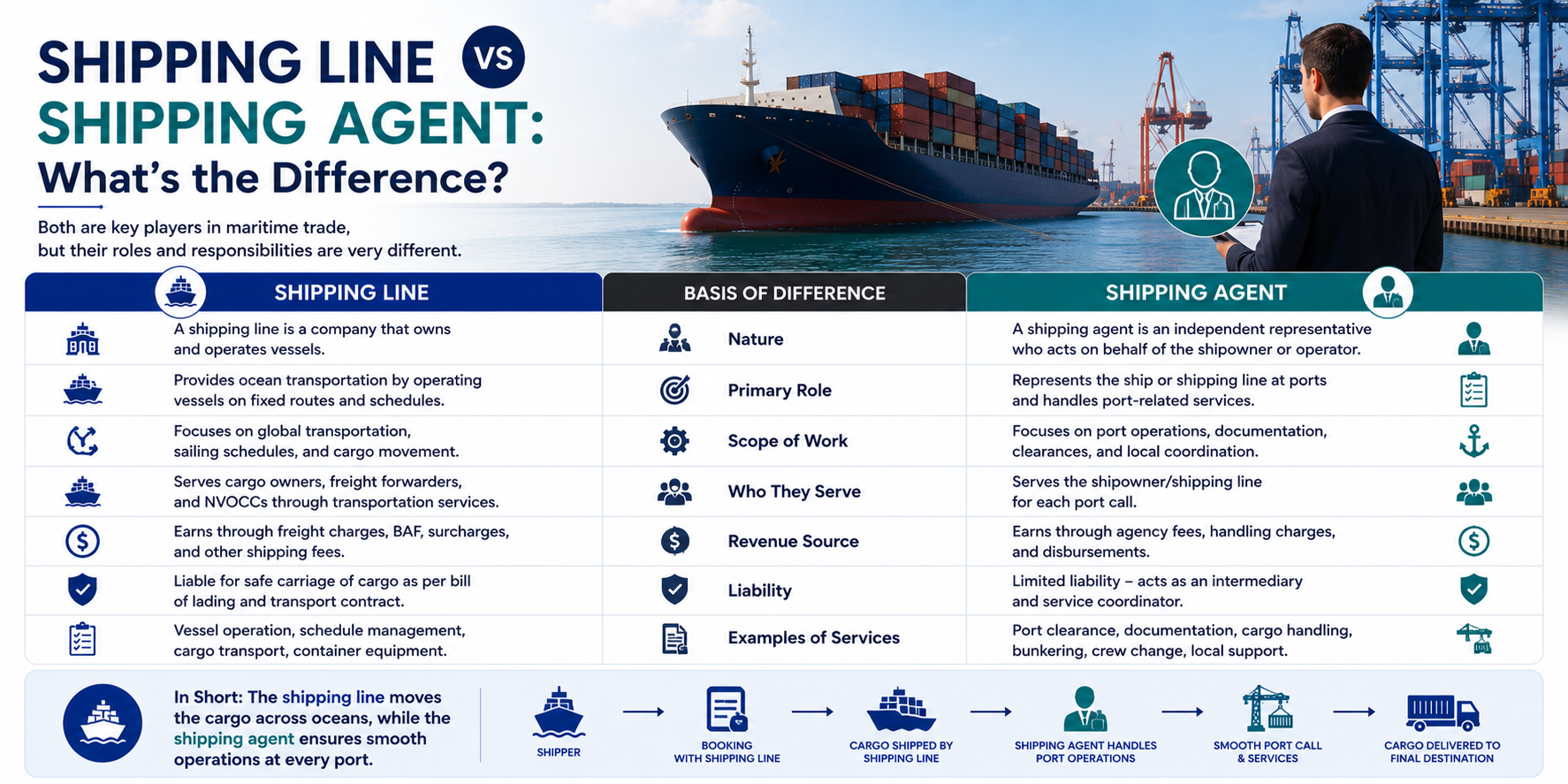
What a Vessel Operator Actually DoesA Vessel Operator is the company or entity that owns, manages, and runs the ships carrying goods across the world’s oceans. They aren’t just booking space — they are responsible for the entire vessel’s operation, from navigation and maintenance to safety and scheduling.
Here’s what a vessel operator typically handles:
- Ship ownership and maintenance: They own or lease vessels, ensuring every ship is seaworthy and compliant with international rules.
- Route planning: They decide the sailing routes, port calls, and schedules.
- Cargo handling: They manage loading and unloading at ports, often through port agents.
- Crew management: They hire, train, and oversee crew members on board.
- Regulatory compliance: They make sure the vessel meets IMO (International Maritime Organization) and port authority standards.
Think of the vessel operator as the beacon of the shipping process—without them, global trade simply doesn’t move.
What an NVOCC DoesAn NVOCC (Non-Vessel Operating Common Carrier) doesn’t own ships — instead, they buy space from vessel operators and resell it to shippers. They act as middlemen but play a vital role in making shipping more flexible for businesses that don’t have enough cargo to fill an entire container or vessel.
Here’s what an NVOCC typically manages:
- Space booking: They reserve slots on vessels run by shipping lines or operators.
- Cargo consolidation: They combine smaller shipments from different clients into one container (known as LCL – Less than Container Load).
- Issuing their own Bill of Lading: They provide shippers with their own transport document, even though they don’t own the ship.
- Handling paperwork and customs: They take care of documentation, clearance, and port coordination.
- Customer support: They communicate directly with shippers and keep them updated throughout the journey.
In short, an NVOCC is your go-to partner for flexible shipping when you don’t need or can’t afford to book full vessel space directly with an operator.
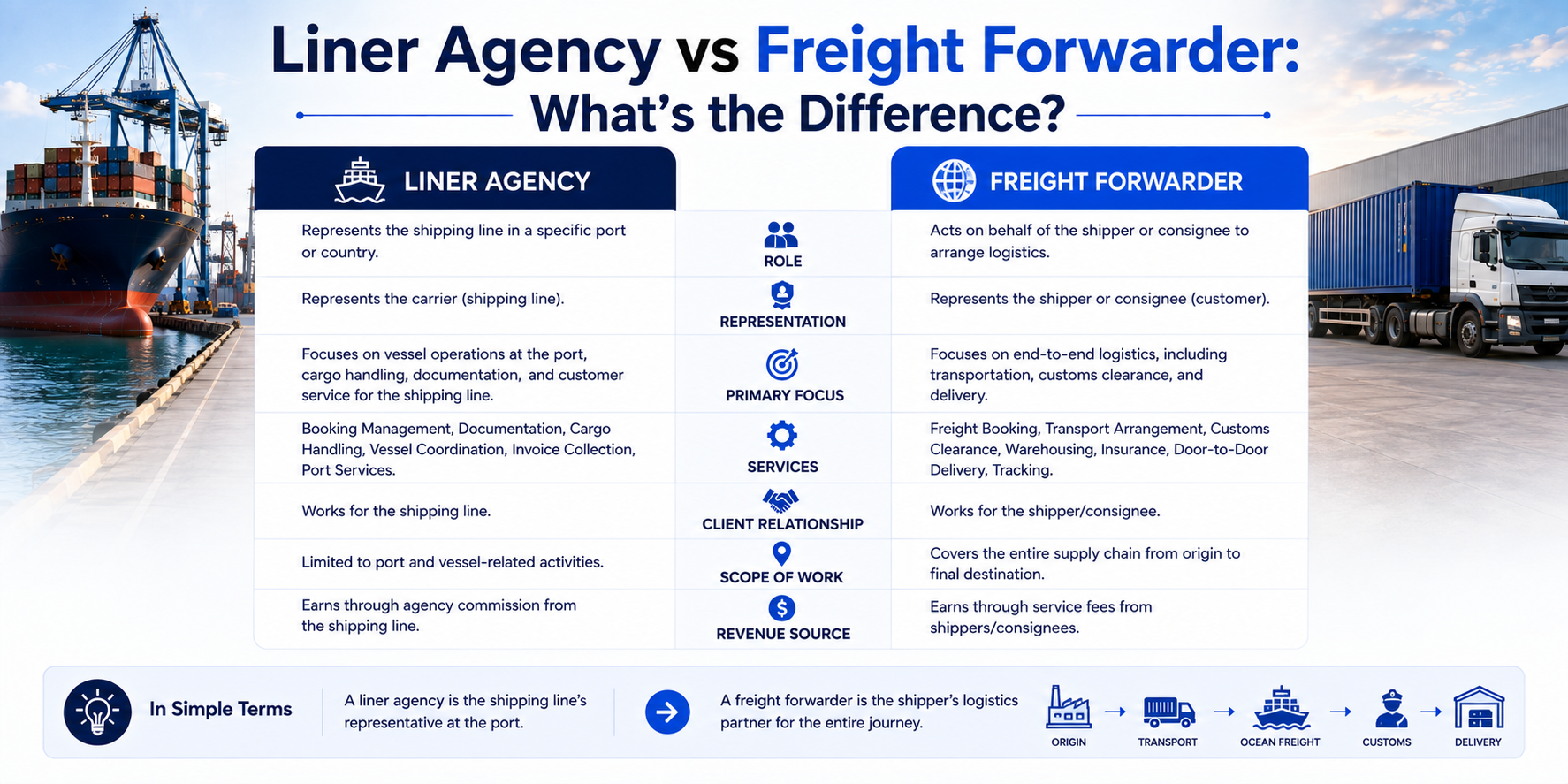
Key Differences Between a Vessel Operator and an NVOCCAlthough both help move cargo across the sea, their roles, responsibilities, and authority are quite different. Understanding these differences helps you choose the right partner and avoid confusion in freight agreements.
Aspect Vessel Operator NVOCC Owns Ships Yes – they own or lease and operate vessels. No – they buy cargo space from operators. Main Role Runs and manages ships that transport goods Acts as a carrier to shippers but hires vessel operators for transport. Bill of Lading Issues the Master Bill of Lading. Issues their own House Bill of Lading. Control Over Cargo Works mainly with NVOCCs, freight forwarders, and large shippers. Works directly with small and medium exporters or importers. Customers Works mainly with NVOCCs, freight forwarders, and large shippers. Works directly with small and medium exporters or importers. Responsibility Responsible for vessel safety, operation, and compliance. Responsible for booking, paperwork, and customer coordination. Flexibility Fixed schedules and routes. More flexible in offering space and rates.Simple Rule: If they own the ship, they’re a vessel operator. If they sell space on someone else’s ship, they’re an NVOCC.
How to Decide Which One You NeedChoosing between a Vessel Operator and an NVOCC depends on your shipment size, frequency, and level of control you want over the process. Here’s a simple way to figure it out:
Choose a Vessel Operator if:- You’re a large shipper moving full containers or large volumes regularly.
- You want direct control over sailing schedules and cargo handling.
- You have your own logistics team that can manage port coordination.
- You prefer long-term contracts for stable freight rates.
- You’re a small or mid-sized business that doesn’t fill an entire container.
- You need flexibility in choosing routes or shipping lines.
- You want someone to handle documentation and customs for you.
- You value personalized service and faster communication.
The right choice isn’t about size alone — it’s about how much control and responsibility you want in your supply chain.
Why the Difference Matters in Global TradeThe line between a Vessel Operator and an NVOCC may seem small, but in global trade, it can decide how smoothly your cargo moves. Every decision — from who issues your Bill of Lading to who handles your cargo at port — affects your cost, speed, and accountability.
Here’s why knowing the difference matters:
- Cost control: Booking directly with a vessel operator can reduce middle costs, but NVOCCs may offer better deals through shared space.
- Accountability: When issues arise, knowing who owns responsibility avoids finger-pointing and delays.
- Transparency: A clear understanding helps you track your shipment better and make smarter logistics decisions.
- Business trust: Shippers who know their logistics chain build stronger ties with agents, forwarders, and carriers.
Knowledge isn’t just power here — it’s profit. The more you understand who moves your cargo, the more control you have over your trade flow.
FAQs1. What is the main job of a vessel operator? A vessel operator owns or manages ships that move cargo across oceans. They handle everything—from route planning and crew management to ship maintenance and compliance.
2. Does an NVOCC own vessels? No. An NVOCC (Non-Vessel Operating Common Carrier) does not own ships. They buy space from vessel operators and resell it to shippers who need flexible cargo solutions.
3. Who issues the Bill of Lading — vessel operator or NVOCC? Both do, but they issue different types. A vessel operator issues a Master Bill of Lading, while an NVOCC issues a House Bill of Lading to their customers.
4. Which is cheaper — vessel operator or NVOCC? It depends. Large shippers often get better rates directly from vessel operators. Smaller exporters usually save more with NVOCCs that consolidate shipments and offer flexible pricing.
5. Can a company work with both vessel operators and NVOCCs? Yes. Many businesses use both — vessel operators for full container loads and NVOCCs for smaller, shared shipments.
6. Why is it important to know the difference between them? Because it affects your shipping cost, accountability, and control. Knowing who you’re working with helps you avoid confusion, delays, and miscommunication during transit.
What Smart Shippers Always KnowSmart shippers know that success in trade isn’t luck — it’s clarity. They understand who operates the vessel, who manages the cargo, and who’s accountable when things don’t go as planned. That insight helps them negotiate better, ship faster, and build long-term trust in their logistics chain. You can do the same — start by knowing the real role of your vessel operator.
Tags
- Vessel Operator
- Shipping Agents
- Liner Agencies
- Shipping Line
- Liner Agencies
- Liner Agencies