- Vessel operations determine who controls the ship, sets schedules, and ensures cargo reliability crucial for exporters in India.: Ever wondered who really controls your cargo once it’s on the ship?
- What Are Vessel Operations in Shipping?: Vessel operations refer to managing the ship itself—not just booking cargo space.
- Who Handles Vessel Operations in Indian Shipping?: Vessel operations are handled by those who own or control the ship, not by those who simply book cargo.
- Vessel Operations vs NVOCC: The Key Differences: The difference comes down to control.
Vessel operations determine who controls the ship, sets schedules, and ensures cargo reliability crucial for exporters in India.
Ever wondered who really controls your cargo once it’s on the ship? The answer lies in vessel operations.
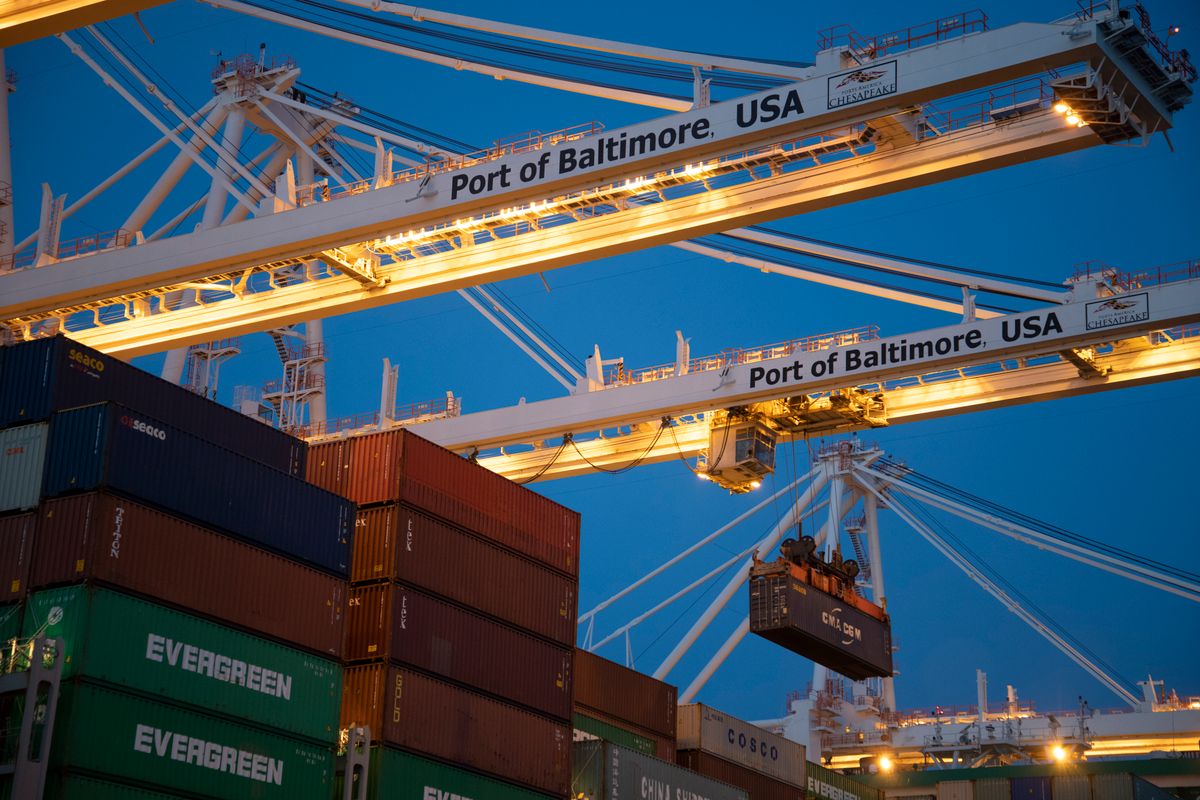
What Are Vessel Operations in Shipping?
Vessel operations refer to managing the ship itself—not just booking cargo space. This includes:
- Who owns or controls the vessel
- Planning routes and port rotations
- Setting sailing schedules
- Handling cargo at ports
- Ensuring compliance, safety, and documentation
Why it matters: Companies running vessel operations control:
- Sailing schedule
- Port rotation and handling
- Cargo loading and discharge
- Compliance checks and coordination with terminals
This control reduces delays, avoids last-minute schedule changes, and directly impacts cost, timing, and reliability in shipping and logistics.
Who Handles Vessel Operations in Indian Shipping?
Vessel operations are handled by those who own or control the ship, not by those who simply book cargo.
Typical operators:
- Shipowners
- Liner operators
- Companies managing chartered vessels
- Shipping companies with direct vessel control
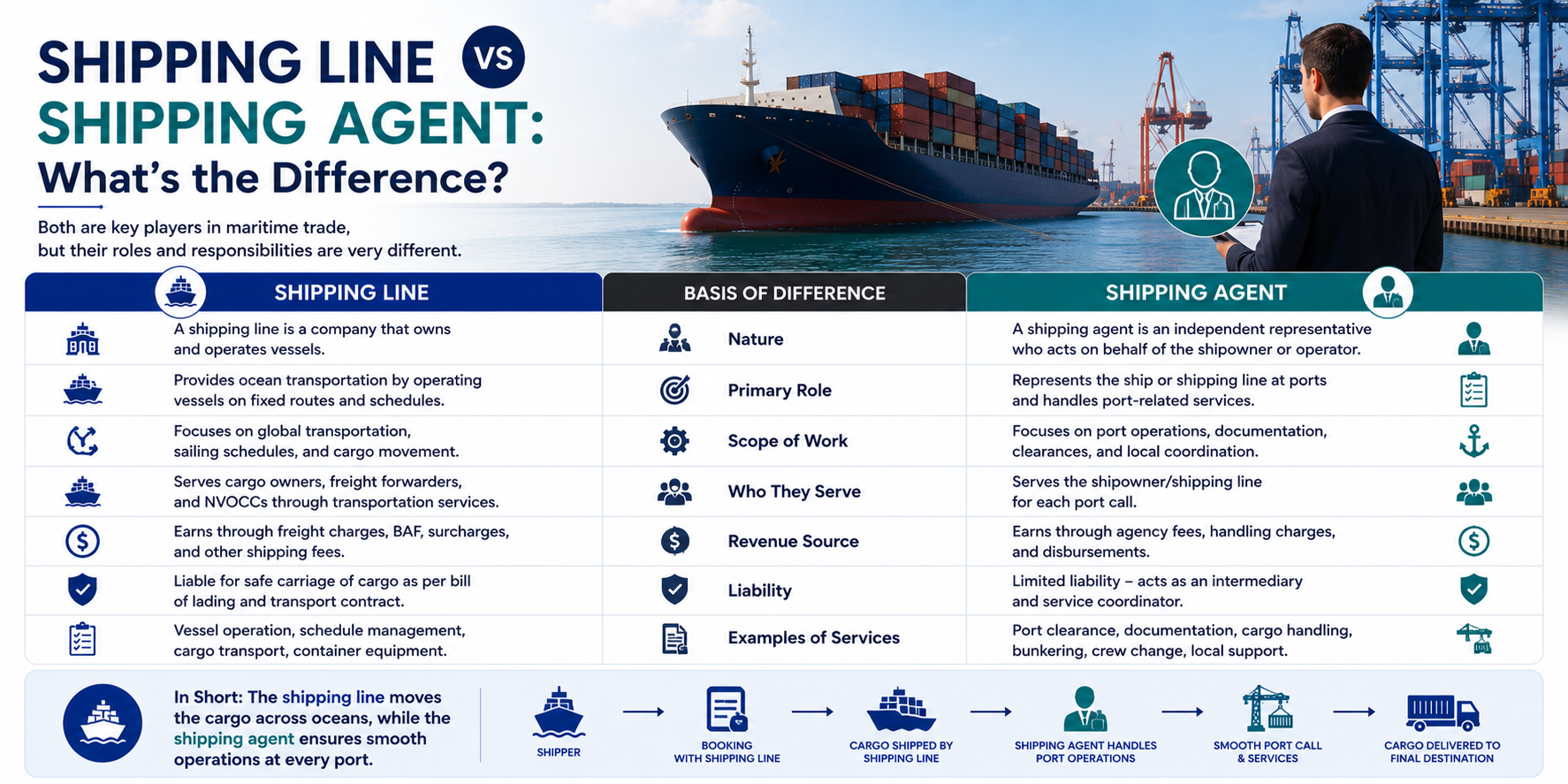
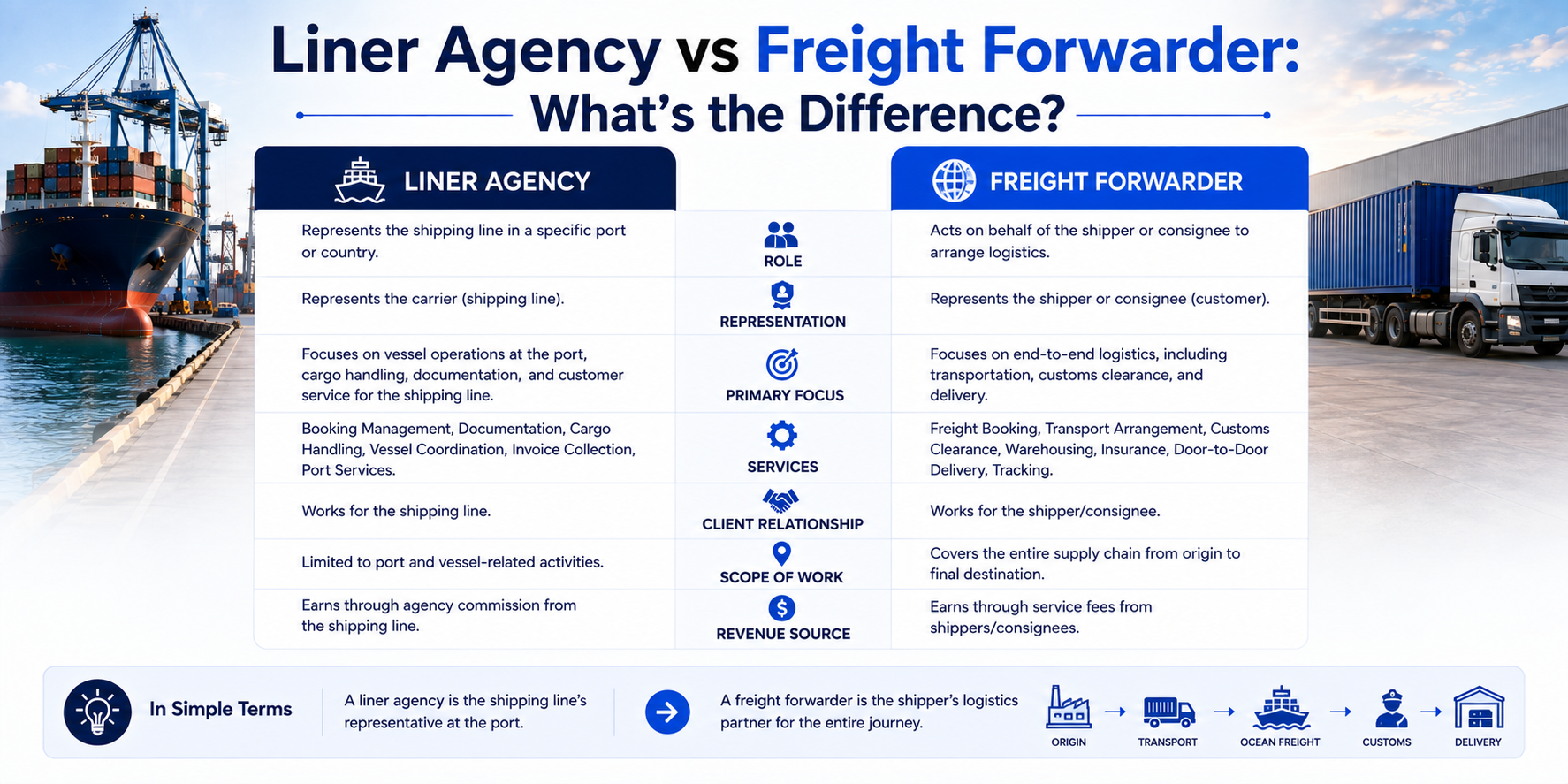
They plan sailings, manage crews, coordinate port calls, and respond quickly to delays. Freight forwarders and NVOCCs typically do not handle vessel operations, which means shippers may face slower problem resolution.
Benefit: Cargo under direct vessel operations experiences better schedule control and faster issue resolution.
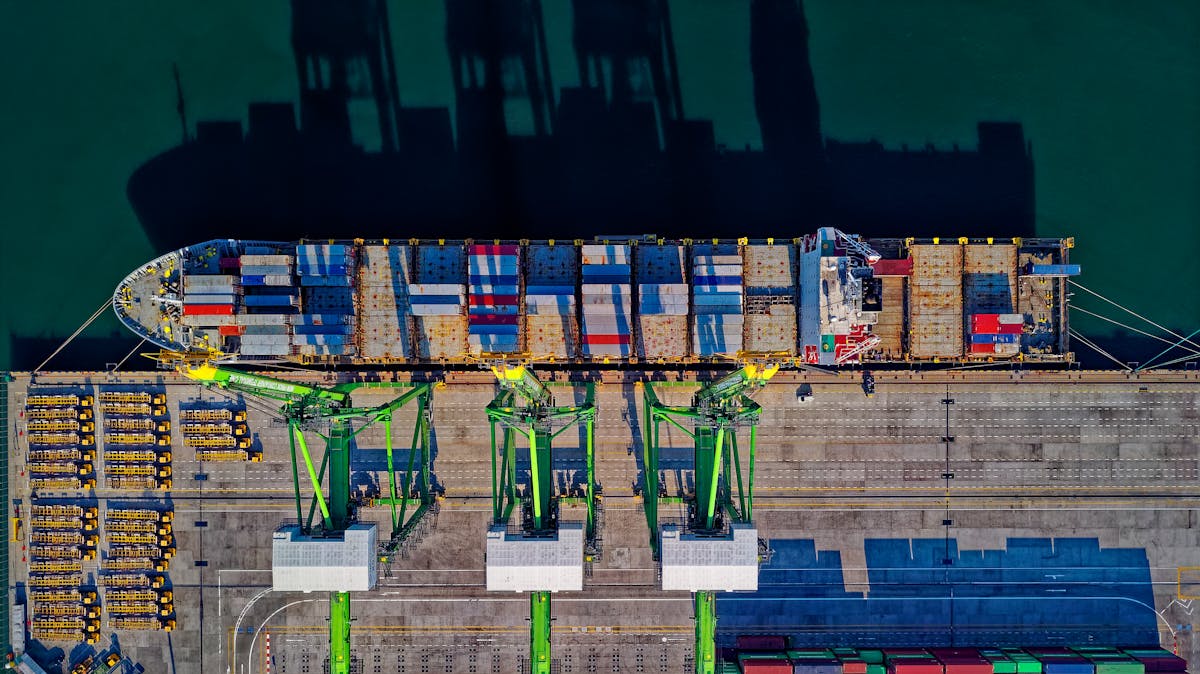
Vessel Operations vs NVOCC: The Key Differences
The difference comes down to control. A company running vessel operations controls the ship. An NVOCC books space on someone else’s ship. This single point changes how delays, costs, and decisions get handled.
Here is a clear comparison:
Area
Vessel Operations
NVOCC
Ship control
Full control
No control
Sailing schedule
The operator sets it
Depends on the carrier
Delay handling
Managed directly
Escalated to carrier
Route planning
Controlled
Fixed
Risk exposure
Lower
Higher
When a company controls the vessel, it can solve issues instantly during port congestion, weather delays, or sudden schedule changes. NVOCCs rely on multiple layers of communication, slowing response times.
Why Vessel Operations Matter for Indian Exporters
Indian exporters face constant pressure on ports and global shipping lanes. Schedules often change unexpectedly, containers roll over, and answers from carriers are delayed.
Vessel operations give shippers:
- Fixed sailing plans, not best-effort schedules
- Direct decision-making during delays
- Clear accountability when cargo misses connections
- Better space planning during peak export months
Impact: Operators controlling vessels can adjust speed, ports, and loading plans in real-time, keeping cargo moving across India and to international hubs.
How Vessel Operations Reduce Delays and Cost
Delays often start on land, not at sea. Poor planning and slow decisions multiply costs.
Benefits of vessel operations:
- Fewer rollovers due to pre-planned cargo space
- Lower detention risk with predictable arrival windows
- Faster issue handling during weather or port congestion
- Stable transit times for better inventory planning
Result: Lower storage, demurrage, and penalties, and higher trust with buyers — especially on high-volume lanes like Mumbai–Jebel Ali or Nhava Sheva–Mediterranean routes.
What to Check Before Choosing a Vessel Operator
Not all operators deliver the same level of control. Key factors to check:
Factor
Why It Matters
Route ownership
Fixed routes = stable transit times
Schedule discipline
On-time sailings reduce penalties
Port handling strength
Faster loading and discharge
Space planning process
Early space lock prevents last-minute rejection
Communication speed
Quick decisions reduce delay & cost
Tip: Look for operators who own or control vessels directly and manage both Indian and international ports efficiently.
Where Vessel Operations Fit in India’s Logistics Future
India’s shipping volumes are no longer seasonal — they remain high month after month. This increases pressure on ports, routes, and delivery timelines.
Vessel operations are no longer a luxury — they are a necessity.
Key reasons:
- Tighter buyer timelines
- Less buffer at destination ports
- Higher cost for missed delivery windows
By ensuring planned movement instead of reactive fixes, vessel operations stabilize the entire supply chain — from Mumbai, Nhava Sheva, Kandla, and Chennai to international trade hubs.
How SJ Logistics Executes Direct Vessel Operations
SJ Logistics, via S J Logisol Shipping LLC, Dubai, manages its own vessels — not just booking space.
Key Details:
- Service rotation: Jebel Ali – Kandla – Nhava Sheva – Jeddah – Alexandria – Jebel Ali
- Frequency: Every 18–21 days
- Vessels: Twin 904 TEU container ships
- India focus: North & West India, plans to expand East & South
- Extended connectivity: Jeddah (Port Sudan, Aden, Djibouti, Berbera, Aqaba), Alexandria (Ambarli, Mersin, Derince, Novorossiysk, Beirut, Lattakia, Misurata, Benghazi, Port Said, Damietta)
Benefit: Direct vessel control reduces delays, ensures predictable transit, and keeps communication clear — protecting exporters from detention, demurrage, and missed deadlines.
FAQs: Vessel Operations in Shipping
Q1: What are vessel operations? A1: Vessel operations manage the ship, schedule, routes, and cargo handling — not just booking space.
Q2: Who handles vessel operations? A2: Ship owners, liner operators, or companies like SJ Logistics that control vessels directly.
Q3: How do vessel operations differ from NVOCC? A3: Vessel operators control the ship and schedule; NVOCCs only book space and rely on carriers.
Q4: Why are vessel operations important for Indian exporters? A4: They reduce delays, ensure predictable transit, and give clear accountability for cargo movement.
Q5: How often does SJ Logistics operate direct vessels? A5: Every 18–21 days, with fixed rotations covering India, the Gulf, the Red Sea, and the Mediterranean.
Q6: Which regions does SJ Logistics connect? A6: North & West India initially, via Jeddah (Red Sea) and Alexandria (Mediterranean & Black Sea). East & South India expansion planned.
Q7: How does this benefit shippers? A7: Direct control improves reliability, reduces the risk of rollovers, and ensures exporters meet buyer deadlines consistently.
Take Control of Your Shipping with SJ Logistics
Vessel operations define dependability, cost efficiency, and on-time delivery.
With SJ Logistics and S J Logisol Shipping LLC, Dubai, Indian exporters gain:
- Direct vessel control
- Predictable sailing schedules
- Wider regional reach
- Clear communication and minimal risk
Ready to move your cargo with confidence? Contact SJ Logistics today to plan your next shipment on our direct vessel services.
Tags- logistics
- Shipping Line
- Logistics Company
- Vessel Operations
- Vessel Operator
- Shipping Agents
- Liner Agencies
- Shipping Line
- Liner Agencies
- Liner Agencies