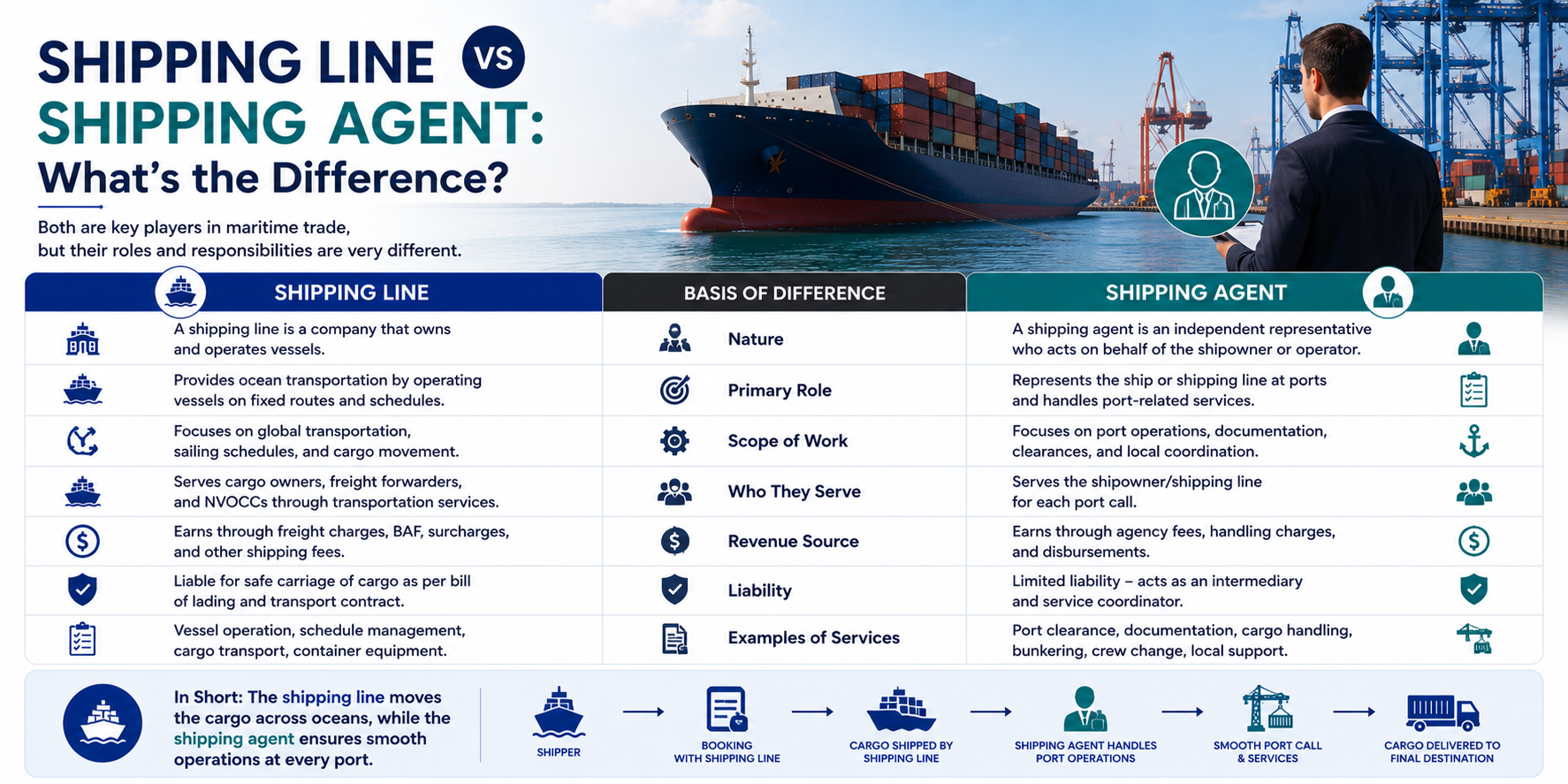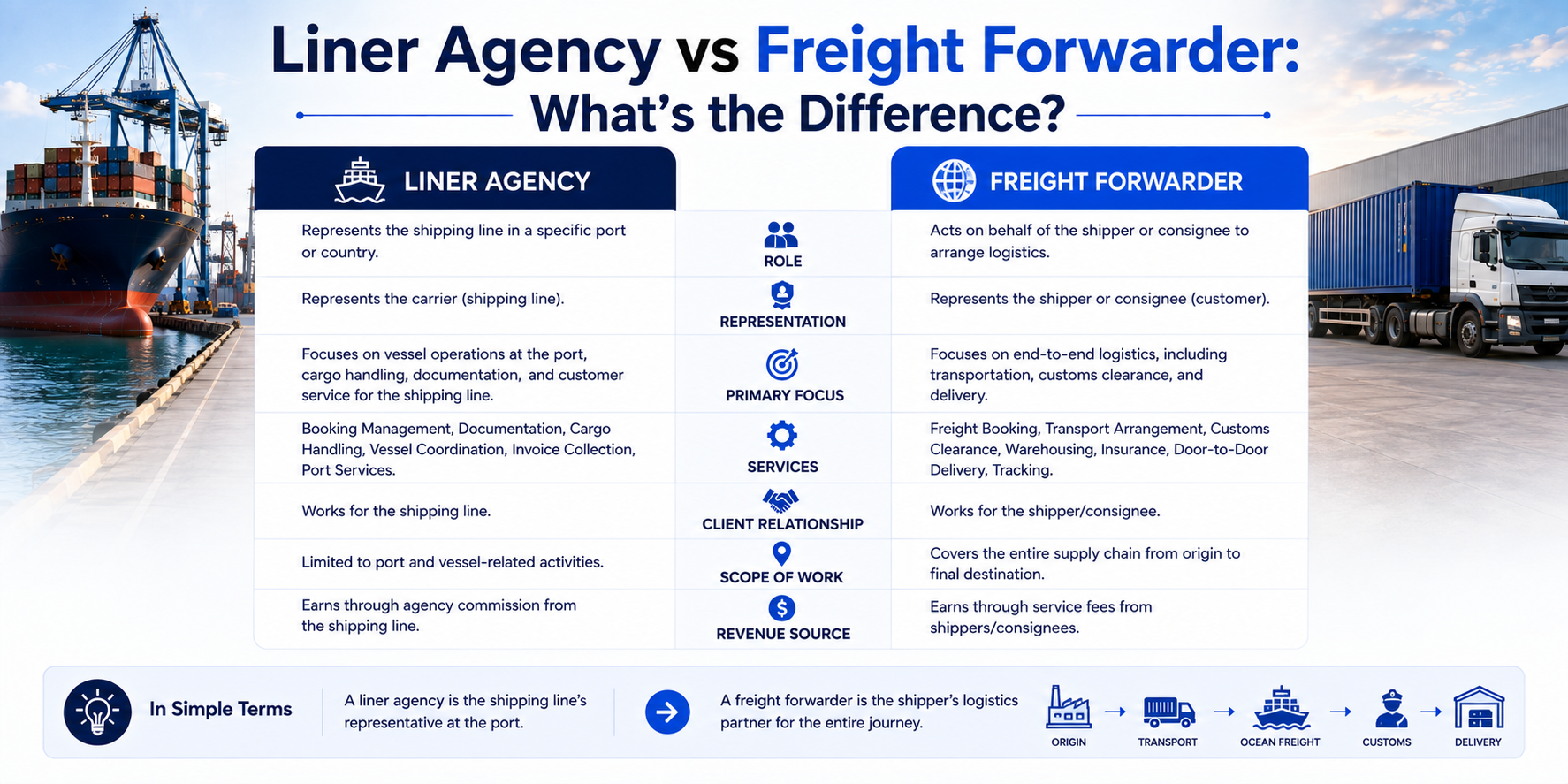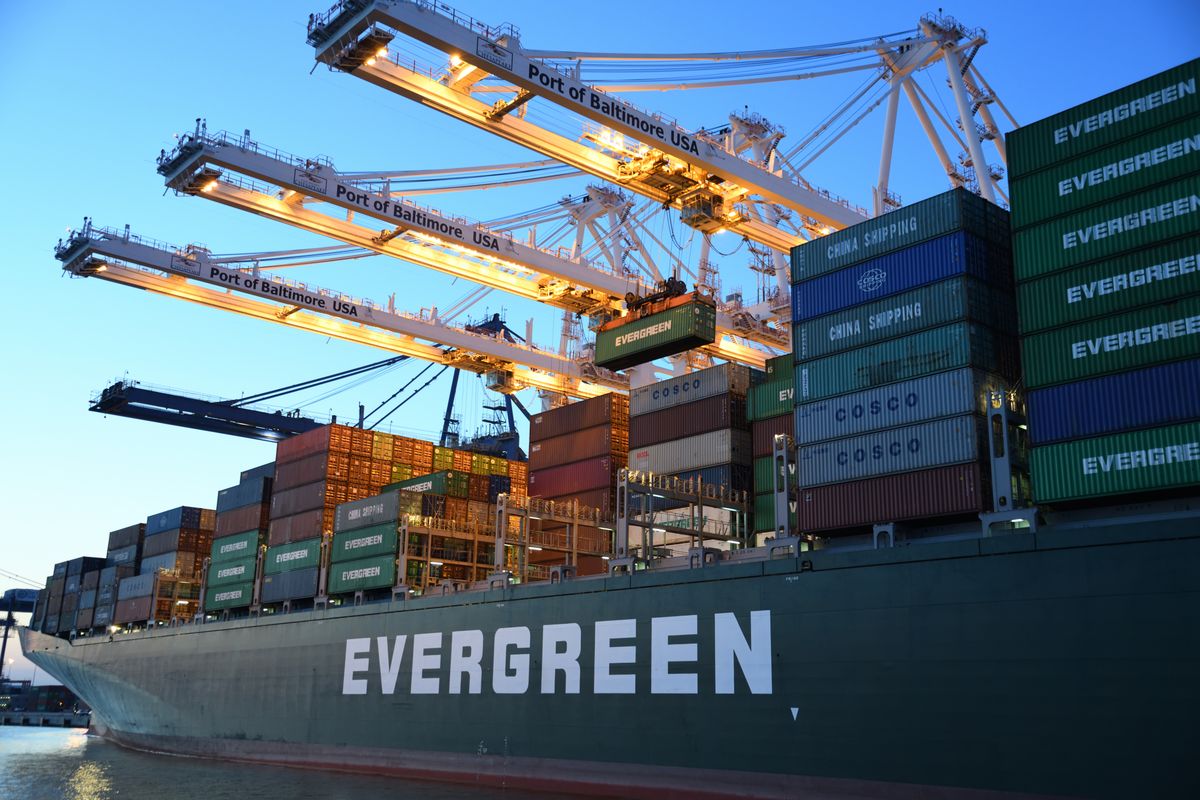

- Why Vessel Operations Matter: Vessel operations are the backbone of global trade.
- What Vessel Operations Include: Vessel operations cover everything needed to keep a ship running smoothly.
- How Vessel Operations Keep Trade Moving: Global trade does not move in leaps—it moves in daily operational decisions.
- When Vessel Operations Fail: Operational failures start small but escalate quickly.
Global trade rarely fails loudly. It fails quietly—when vessel operations fall out of control. Every berth slot, crew schedule, and cargo plan matters.
When a single vessel is delayed, the ripple effect hits far beyond the port—empty shelves, delayed factory lines, higher costs, and broken delivery promises.
Why Vessel Operations Matter
Vessel operations are the backbone of global trade. They ensure ships stay on schedule, cargo reaches its destination safely, and costs remain predictable.
A single disruption in vessel operations can:
- Delay cargo arrivals across continents
- Increase freight and storage costs
- Break supply chain trust with customers
Every operational decision—from fuel management to crew scheduling—affects global trade far beyond the port.
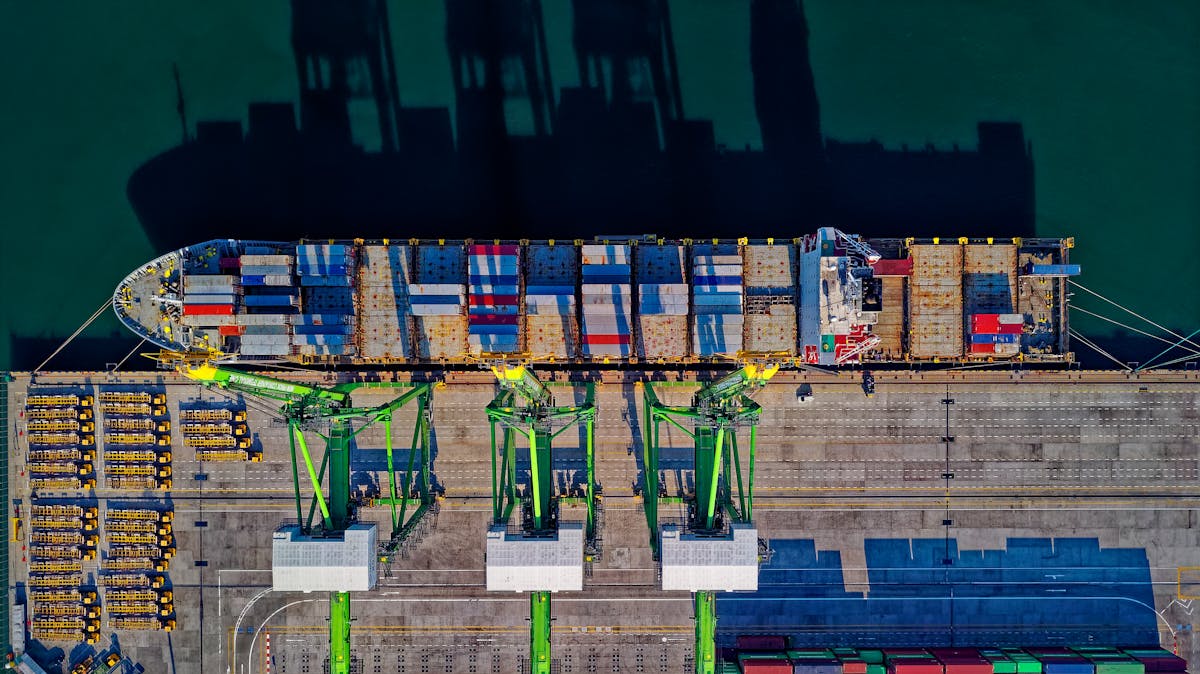
What Vessel Operations Include
Vessel operations cover everything needed to keep a ship running smoothly. Key areas include:
Core Operation
Impact
Voyage Planning & Route Timing
Ensures timely arrivals and reduces fuel costs
Port Arrival & Berth Coordination
Prevents congestion and idle waiting fees
Cargo Loading & Discharge Control
Maintains cargo integrity and schedule
Crew Management & Shift Planning
Ensures operational continuity
Fuel & Speed Decisions
Optimizes cost and on-time performance
Compliance with Maritime Regulations
Avoids fines, delays, and legal risks
Together, these operations ensure profitability, reliability, and supply chain stability.
How Vessel Operations Keep Trade Moving
Global trade does not move in leaps—it moves in daily operational decisions. Well-managed vessel operations:
- Keep cargo arriving on time
- Maintain port and terminal fluidity
- Ensure trucks, rail, and inland transport stay on schedule
Key operational benefits:
- Time Control: Reduces port waiting and delays
- Cost Control: Manages fuel, fees, and idle time
- Cargo Safety: Prevents damage and loss
- Network Stability: Supports linked routes and supply chains
A delay at sea rarely stays at sea—it reaches warehouses, retailers, and factories within days.
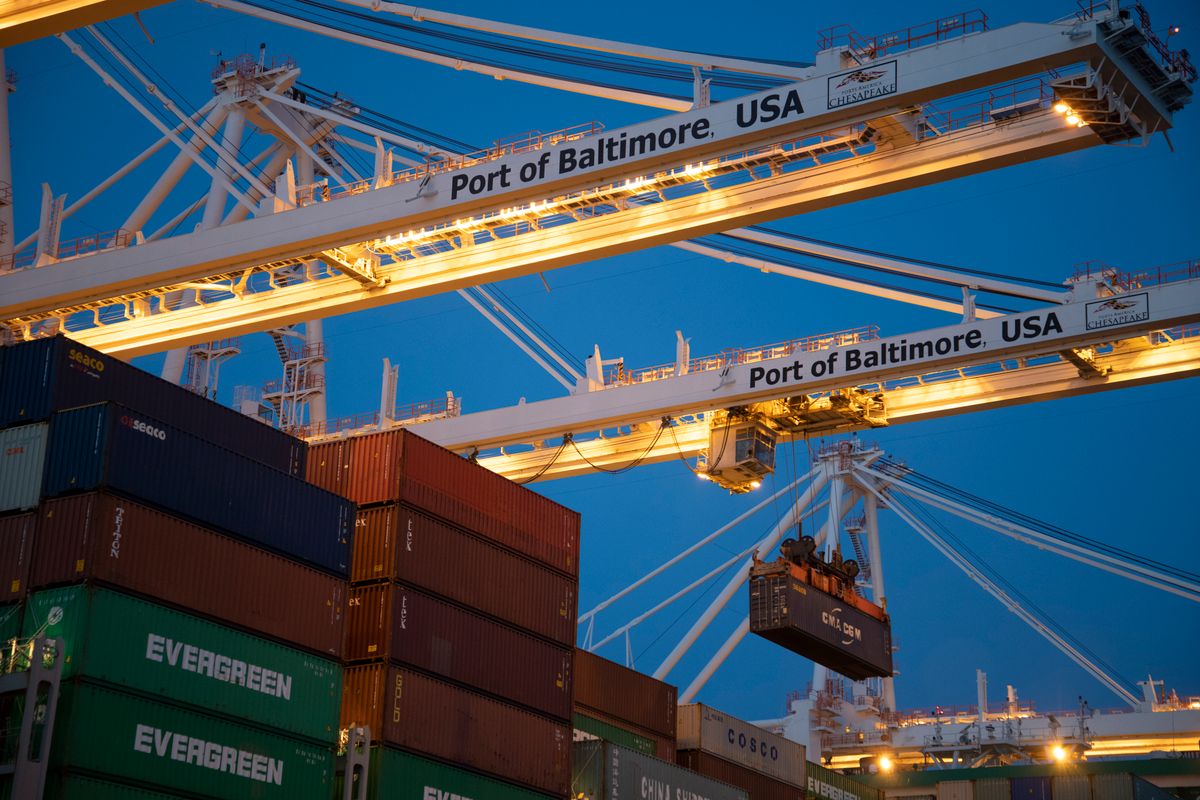
When Vessel Operations Fail
Operational failures start small but escalate quickly. Examples include:
- Containers missing rail/truck connections
- Port yard congestion
- Late or incomplete inventory
- Rising freight costs
- Eroded customer trust
Each missed schedule compounds delays, showing why timely vessel operations are critical to supply chain reliability.
Vessel Operations and Supply Chain Trust
Supply chains operate on trust. When vessels arrive on time:
- Warehouses schedule labor efficiently
- Retailers maintain stock
- Factories manage production
Strong vessel operations protect trust by:
- Ensuring reliable arrival times
- Minimizing last-minute schedule changes
- Preserving cargo condition
- Maintaining consistent service
Once trust breaks, it is costly and time-consuming to restore.
Why Vessel Operations Matter More Today
Then
Now
Extra inventory absorbed delays
Low inventory exposes delays quickly
Flexible delivery windows
Fixed delivery commitments
Fewer port congestion risks
Regular port congestion
Slower cost impact
Immediate cost escalation
Isolated route issues
Network-wide disruption
Modern global trade leaves less room for error, making vessel operations central to operational control.
The Role of Vessel Operations Teams
People drive operations. Vessel operations teams:
- Monitor vessel position and speed
- Adjust schedules for port conditions
- Coordinate with agents and terminals
- Manage crew timing and compliance
- Resolve issues before impacting cargo
Strong teams prevent small issues from cascading into global disruptions.
Why Vessel Operations Decide Cost and Speed
Vessel operations influence how fast cargo moves and how much it costs long before invoices are raised.
Operational Area
Cost Impact
Speed Impact
Speed Planning
Controls fuel and penalties
Prevents late arrivals
Port Timing
Avoids extra fees
Reduces idle time
Route Decisions
Limits disruption costs
Keeps transit stable
Issue Detection
Stops cost escalation early
Prevents cascading delays
Recovery Planning
Avoids expensive fixes
Maintains delivery flow
When vessel operations stay controlled, cost remains predictable, and speed stays reliable. When they slip, both break at once.
Vessel Operations as a Competitive Advantage
Reliability differentiates carriers. Strong vessel operations:
- Deliver consistent transit times
- Limit service disruptions
- Protect cargo commitments
- Support long-term contracts
In global trade, operational discipline often wins business over pricing alone.
Future of Vessel Operations
Global trade is evolving:
- Tighter timing and stricter schedules
- Increased focus on safety and compliance
- Minimal tolerance for delays
- Stronger integration with inland logistics
Vessel operations will remain central to performance control, shaping the efficiency of future trade networks.
How SJ Logistics Strengthens Trade Through Direct Vessel Operations
SJ Logistics India Ltd., in partnership with SJ Logisol Shipping LLC, Dubai, manages vessels directly to ensure complete control over cargo movement across critical trade lanes.
Benefits of Direct Vessel Operations:
- Full control over sailing schedules
- Consistent port rotations
- Reduced reliance on third-party carriers
- Rapid response to operational challenges
- Enhanced visibility for cargo owners
Strategic Gateway Network:
- Via Jeddah: Port Sudan, Aden, Djibouti, Berbera
- Via Alexandria: Mersin, Novorossiysk, Lattakia, Misurata, Benghazi
Trade Advantages:
- Seamless East Africa & Red Sea access
- Direct Mediterranean & Black Sea links
- Fewer transfers, more predictable transit times
By combining direct vessel operations with a controlled gateway network, SJ Logistics ensures reliable, timely trade movement, turning connectivity into performance.
Why Vessel Operations Define Reliable Trade
Vessel operations are the silent engine behind global trade. Every schedule, route decision, and operational adjustment shapes how cargo moves, costs are controlled, and trust is maintained across supply chains.
In today’s high-pressure logistics environment, delays aren’t just inconvenient—they ripple across countries, industries, and markets. That’s why businesses partner with operators who combine precision, control, and visibility.
SJ Logistics and SJ Logisol Shipping deliver this advantage. By managing vessels directly, optimizing port rotations, and ensuring seamless connectivity, they turn complex global trade into predictable, reliable performance.
For companies seeking consistency in shipping and supply chain management, vessel operations are not optional—they are essential.
Take the next step: Connect with SJ Logistics to ensure your cargo moves efficiently, safely, and on schedule—every time.
Tags- Supply Chain Management
- Global Trade
- Vessel Operator
- Vessel Operations
- Shipping Agents
- Liner Agencies
- Shipping Line
- Liner Agencies
- Liner Agencies