
- What Is a Shipping Container in Global Cargo Transport?: A shipping container is a large standardized steel box used to transport goods across international supply chains.
- Why Shipping Containers Are Important in Global Logistics: Shipping containers solve several key challenges in international logistics and freight transport.
- Main Types of Shipping Containers Used in Cargo Transport: Different cargo requires different protection, space, and handling conditions.
- 1. Dry Storage Containers (Standard Containers): The dry storage container is the most commonly used shipping container in international cargo transport.
The right shipping container protects cargo, reduces shipping risks, and keeps global trade moving efficiently.
Choosing the wrong shipping container can damage cargo, cause delays, or even lead to shipment rejection at the destination port.
Different types of cargo require different container designs. From temperature-controlled reefers to heavy-duty flat racks, each container is built to handle specific shipping needs.
Understanding the types of shipping containers used in international cargo transport helps businesses protect goods, reduce risks, and improve supply chain efficiency.
Quick Answer: Types of Shipping Containers
The main types of shipping containers used in international cargo transport include:
- Dry Storage Containers
- Refrigerated Containers (Reefer Containers)
- Flat Rack Containers
- Open Top Containers
- Tank Containers
- High Cube Containers
- Side Open Containers
Each shipping container type is designed to safely transport specific kinds of cargo across ships, trucks, and rail networks.
What Is a Shipping Container in Global Cargo Transport?
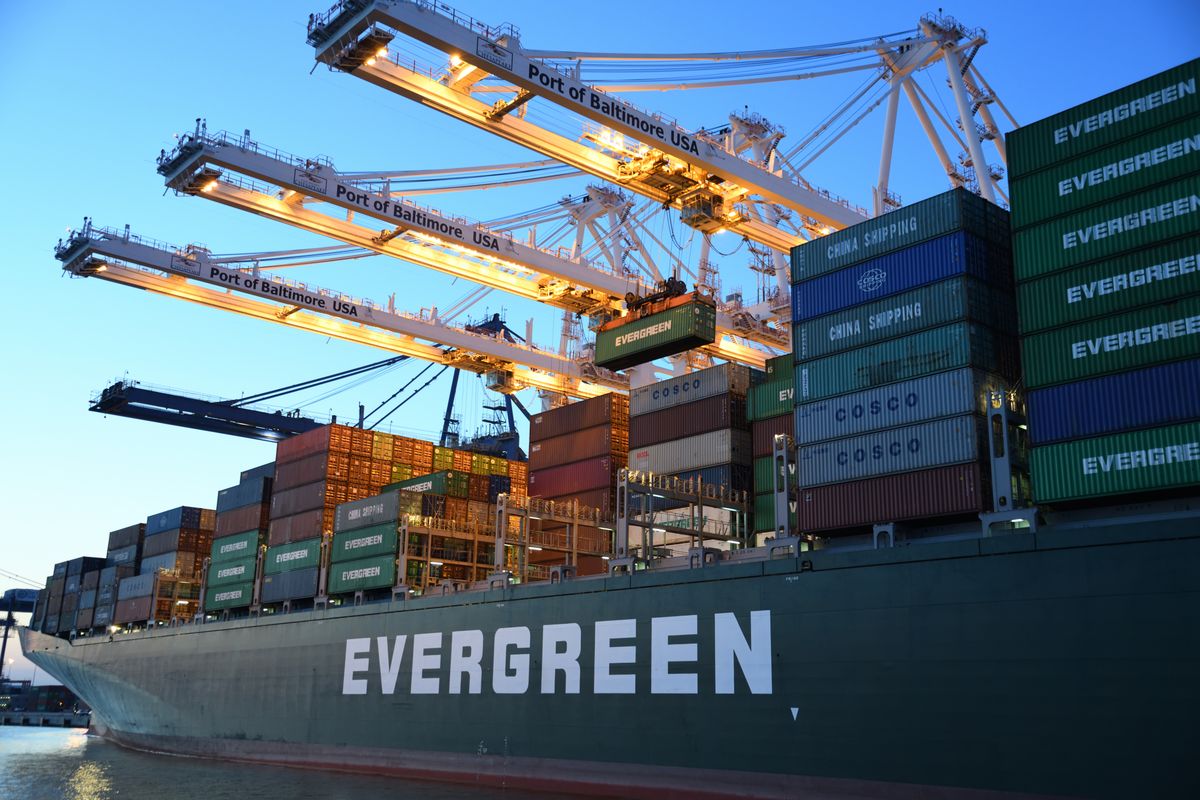
A shipping container is a large standardized steel box used to transport goods across international supply chains.
These containers are designed to move seamlessly between ships, trucks, and rail systems without unloading the cargo inside. This system is known as containerization, which revolutionized global trade in the mid-20th century.
Most containers follow international specifications defined by the International Organization for Standardization (ISO). Because of these standards, containers can be handled efficiently at ports around the world.
Today, almost every industry depends on container shipping.
Products commonly transported in shipping containers include:
- Electronics Clothing and textiles
- Machinery and industrial parts
- Fresh food and agricultural products
- Chemicals and liquids
- Consumer goods
In fact, more than 90% of global trade moves by sea, and shipping containers play a central role in that movement.

Why Shipping Containers Are Important in Global Logistics
Shipping containers solve several key challenges in international logistics and freight transport.
Key Benefits of Container Shipping
1. Cargo Protection Containers protect goods from weather conditions, saltwater exposure, and physical damage during long journeys.
2. Standardized Dimensions Because containers follow global size standards, they can be easily loaded onto ships, trucks, and trains.
3. Faster Port Operations Ports use cranes to move entire containers rather than individual cargo packages, making loading and unloading much faster.
4. Lower Transportation Costs Containerization allows large quantities of goods to move efficiently, reducing handling costs and improving logistics efficiency.
5. Improved Cargo Security Sealed containers reduce theft risks and provide better cargo tracking during transit.
Because cargo needs vary widely, the shipping industry uses several specialized container types designed for different goods.
Main Types of Shipping Containers Used in Cargo Transport
Different cargo requires different protection, space, and handling conditions. For this reason, international shipping uses several specialized container types.
Quick Comparison of Shipping Container Types
Container Type
Best Used For
Key Feature
Dry Storage Container
General cargo
Fully enclosed steel box
Reefer Container
Perishable goods
Temperature control
Flat Rack Container
Heavy machinery
No side walls
Open Top Container
Tall cargo
Removable roof
Tank Container
Liquids & chemicals
Steel tank inside frame
High Cube Container
Bulky cargo
Extra container height
Side Open Container
Wide cargo
Full side door access
Each container type is designed to transport specific cargo safely and efficiently.
1. Dry Storage Containers (Standard Containers)
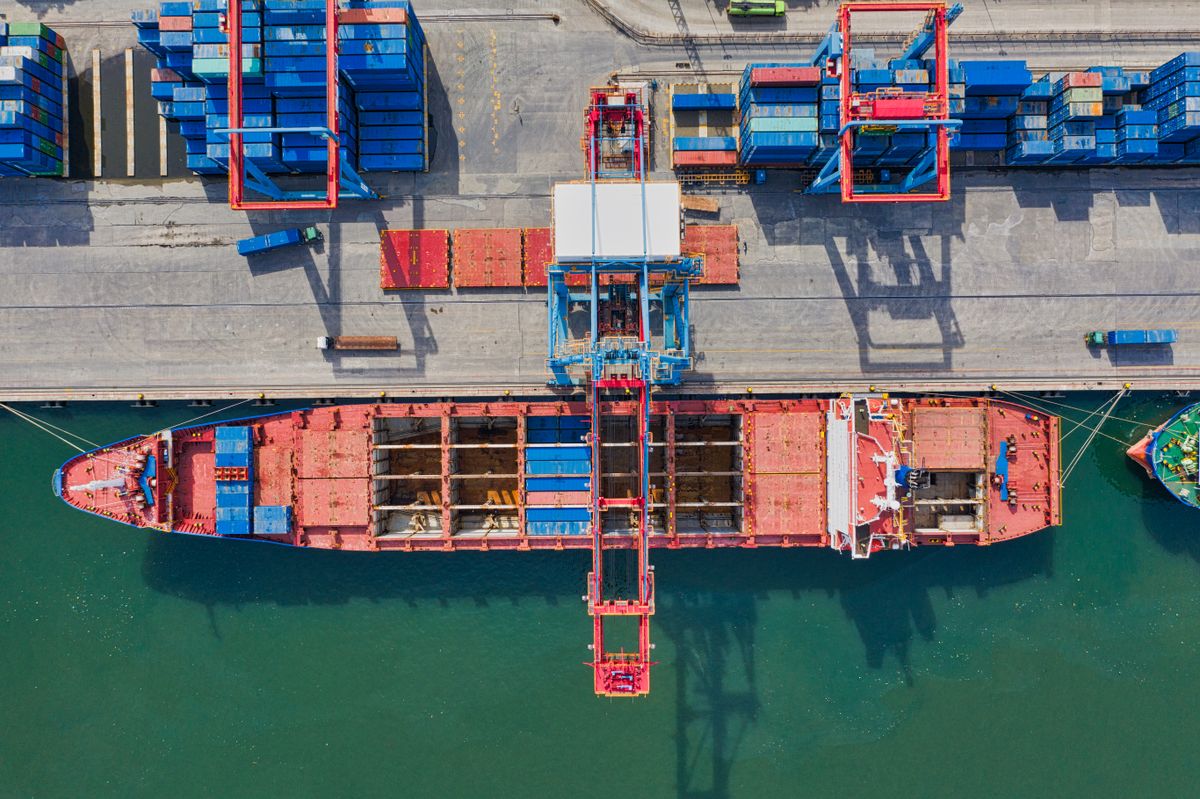
The dry storage container is the most commonly used shipping container in international cargo transport. Most goods shipped across oceans travel inside this type of container.
It is a fully enclosed steel box with solid walls, a roof, and lockable doors. This structure protects cargo from weather exposure, dust, and physical damage during transit.
Common Cargo Shipped in Dry Containers
- Electronics
- Clothing and textiles
- Furniture
- Packaged food
- Industrial components
- Consumer goods
Because of their versatility and durability, dry containers form the backbone of global container shipping.
Standard Dry Container Sizes
Container Size
Approximate Length
Typical Use
20-Foot Container
20 ft
Heavy cargo with lower volume
40-Foot Container
40 ft
Large cargo shipments
These sizes follow international specifications established by the International Organization for Standardization (ISO).
2. Refrigerated Containers (Reefer Containers)
Some products must remain at controlled temperatures during transport. For these shipments, logistics companies use refrigerated containers, commonly called reefer containers.
A reefer container is equipped with a built-in refrigeration unit that maintains a constant internal temperature throughout the shipping journey.
These containers are essential for industries that transport perishable goods across international routes.
Cargo Commonly Transported in Reefer Containers
- Fresh fruits and vegetables
- Meat and seafood
- Dairy products
- Frozen foods
- Pharmaceuticals
- Flowers and plants
Reefer containers can typically maintain temperatures ranging from −30°C to +30°C, depending on cargo requirements.
Key Features of Reefer Containers
- Integrated refrigeration system
- Insulated interior walls
- Temperature monitoring controls
- Controlled airflow systems
These containers are critical for maintaining the global cold chain logistics system.
3. Open Top Containers
Open-top containers are designed for cargo that cannot be loaded through the standard container doors.
Unlike standard containers, open top containers have a removable roof, allowing cargo to be loaded from above using cranes.
Once loaded, the top is covered with a strong tarpaulin sheet to protect the cargo during transport.
Cargo Typically Shipped in Open Top Containers
- Industrial machinery
- Construction equipment
- Steel rods and pipes
- Glass panels
- Large manufacturing components
Open top containers are commonly used for project cargo and industrial logistics where cargo height exceeds standard container limits.
4. Flat Rack Containers
Flat rack containers are specifically designed for transporting large, heavy, or irregularly shaped cargo.
Unlike standard containers, flat racks have a reinforced base with no side walls or roof. Some models include collapsible or fixed end walls.
This open structure allows cargo to be loaded from the top or sides using cranes and heavy lifting equipment.
Cargo Transported Using Flat Rack Containers
- Construction machinery
- Industrial equipment
- Large vehicles
- Steel structures and pipes
- Wind turbine components
Because of their strong base structure, flat racks can carry extremely heavy loads, making them ideal for project cargo and infrastructure shipments.
5. High Cube Containers
High cube containers are similar to standard containers but provide additional vertical space.
While standard containers are about 8 feet 6 inches tall, high cube containers measure approximately 9 feet 6 inches in height.
This extra height allows businesses to ship larger or bulkier cargo.
When High Cube Containers Are Used
- Lightweight bulky goods
- Furniture shipments
- Large machinery components
- Consumer goods in bulk packaging
- Industrial equipment
High cube containers increase cargo capacity and improve container space utilization.
6. Tank Containers
Tank containers, also known as ISO tank containers, are designed to transport liquids, gases, and hazardous chemicals.
A tank container consists of a stainless steel cylindrical tank mounted inside a rectangular steel frame that follows standard container dimensions.
This design allows tank containers to be transported easily by ships, trucks, and rail systems.
Liquids Transported in Tank Containers
- Liquid chemicals
- Food-grade liquids such as edible oils
- Alcohol and beverages
- Industrial solvents
- Petroleum-based liquids
These containers include insulation, pressure control systems, and safety valves to ensure safe transport.
Tank containers follow strict safety standards regulated by organizations such as the International Maritime Organization (IMO).
7. Side Open Containers
Side open containers are designed to provide wide loading access.
Instead of opening only at the front, these containers include large doors along the entire side.
This design allows forklifts and cranes to load cargo more easily.
Cargo Commonly Shipped in Side Open Containers
- Palletized goods
- Construction materials
- Long pipes and steel products
- Industrial equipment
- Oversized packaged cargo
Side open containers are often used when cargo requires wide access during loading and unloading operations.
How to Choose the Right Shipping Container
Selecting the right shipping container depends on several cargo characteristics.
Important Factors to Consider
1. Cargo Type Different goods require different protection levels. For example, food products require refrigerated containers.
2. Cargo Dimensions Oversized cargo may require open top or flat rack containers.
3. Weight Requirements Heavy industrial equipment requires containers with reinforced bases.
4. Temperature Control Perishable goods must be transported in temperature-controlled containers.
5. Safety Regulations Hazardous liquids and chemicals must be transported using specialized tank containers.
Choosing the correct container ensures safe transport, reduces cargo damage risks, and improves logistics efficiency.
ISO Standards for Shipping Containers
Most shipping containers follow international standards developed by the International Organization for Standardization (ISO).
These standards define:
- Container dimensions
- Structural strength requirements
- Safety regulations
- Handling compatibility across transport systems
Because of these global standards, containers can move seamlessly between ships, trucks, and rail networks across international trade routes.
Major ports such as Shanghai, Singapore, and Rotterdam handle millions of standardized containers every year.
FAQs
1. What are the main types of shipping containers?
The main types include dry containers, refrigerated containers, flat rack containers, open top containers, tank containers, high cube containers, and side open containers.
2. What is the most commonly used shipping container?
Standard dry containers are the most widely used containers in global cargo transport.
3. What is a high cube shipping container?
A high cube container is about one foot taller than a standard shipping container, providing extra space for bulky cargo.
4. Which container is used for refrigerated goods?
Refrigerated containers, also called reefer containers, are used for transporting temperature-sensitive goods.
5. Which containers are used for oversized cargo?
Flat rack containers and open top containers are commonly used for transporting oversized cargo.
6. What container is used for liquids and chemicals?
Tank containers are used to safely transport liquid chemicals, beverages, oils, and hazardous materials.
Need the Right Container for Your Cargo?
Choosing the correct container is essential for safe and efficient cargo transport.
At SJ Logistics, our experts help businesses identify the most suitable container solutions for international shipping.
Contact our logistics specialists today to plan your next shipment with the right container type.
Tags- Container Shipping
- ISO Tank
- Reefer Containers
- Tank Containers
- Dry Storage Container
- Open Top Container
- High Cube Container
- Side Open Container
- Shipping Agents
- Liner Agencies
- Shipping Line
- Liner Agencies
- Liner Agencies