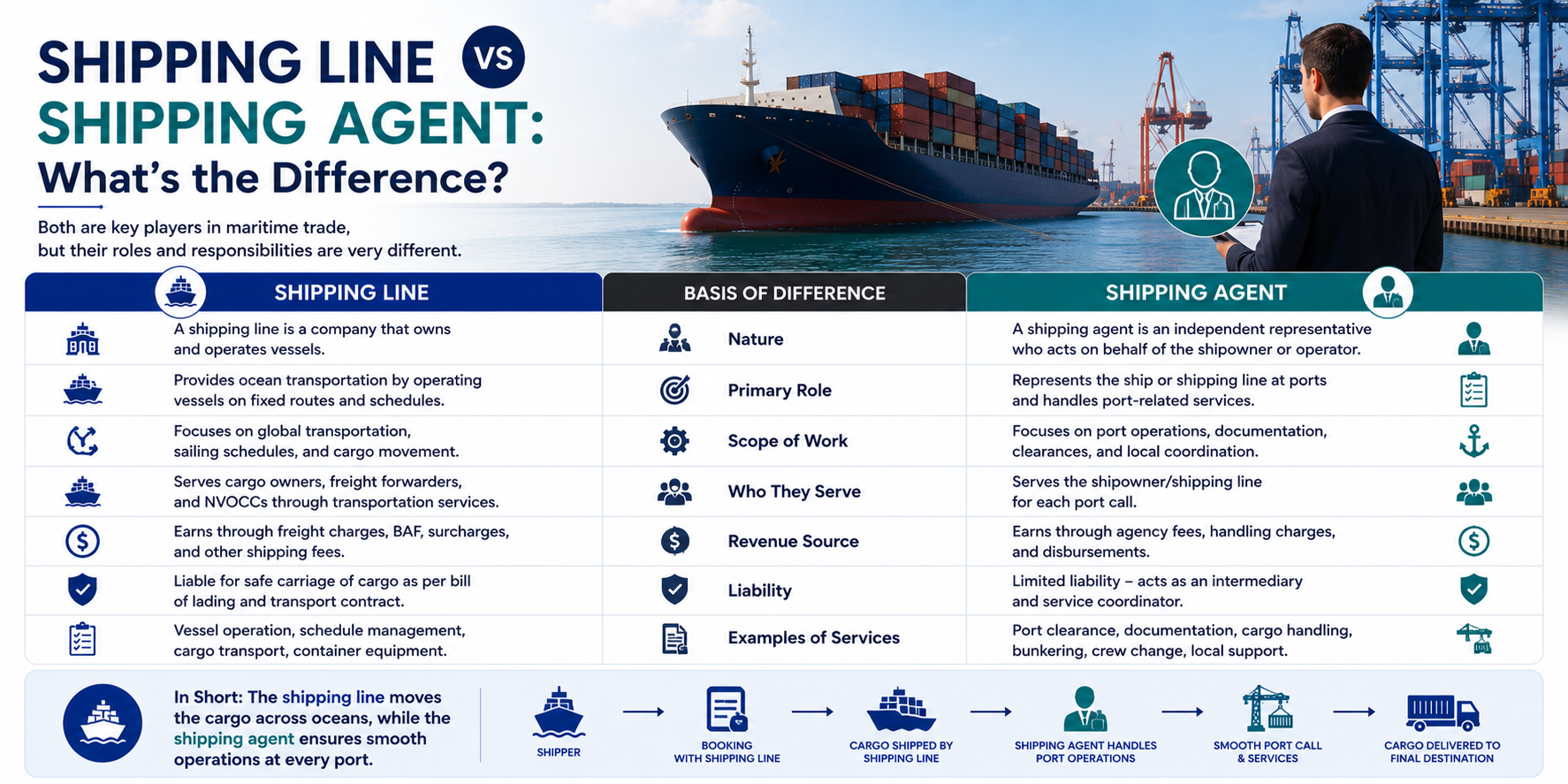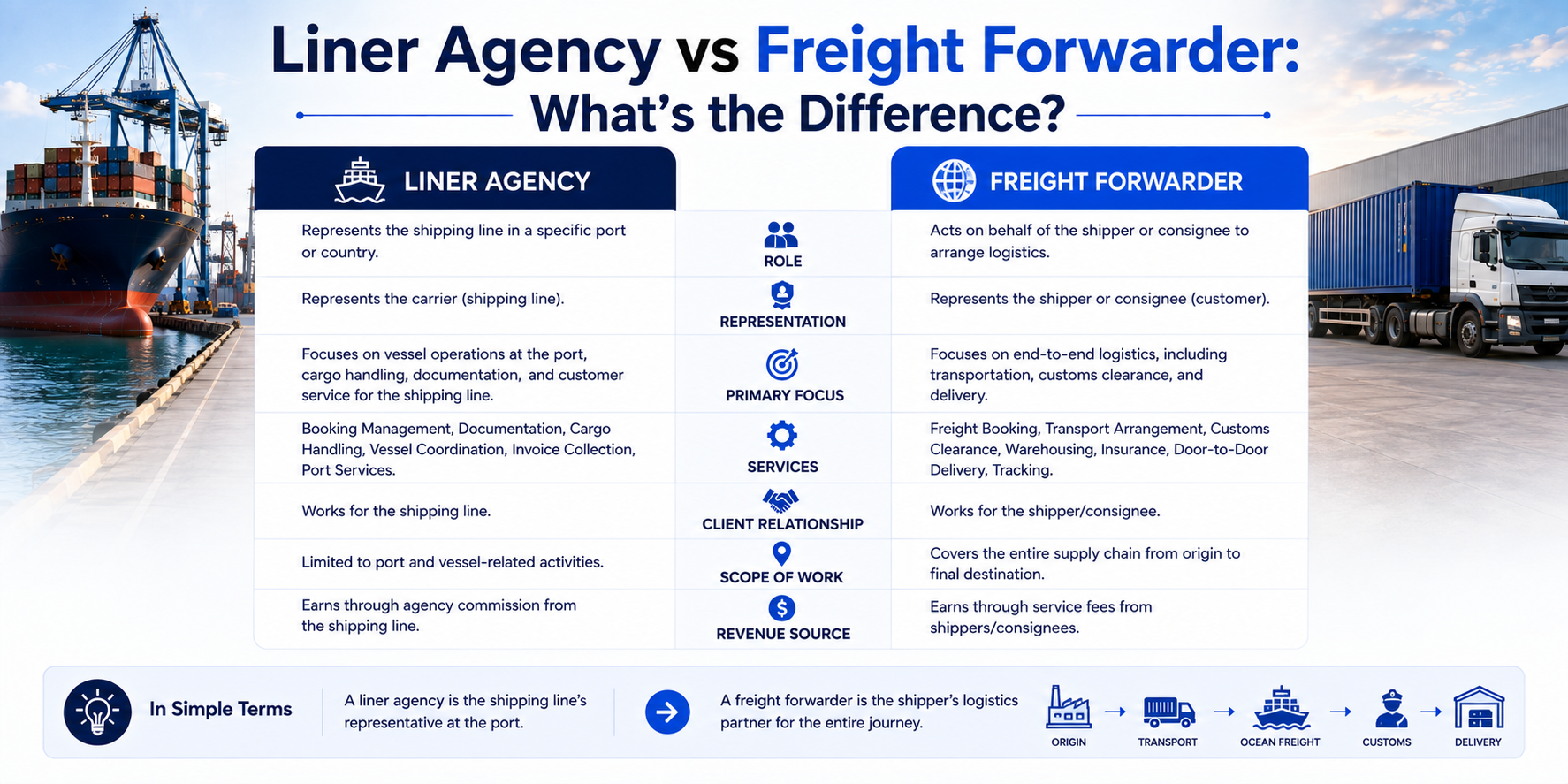
Shipping lines are changing fast. Alliances are shifting, spot rates jump, and contract terms tighten.
For Indian exporters, these changes mean higher costs, delays, and more risk if you’re not prepared.
Knowing which rates to lock, which routes to prioritize, and how alliances affect your shipments is no longer optional — it’s essential to keep your exports on track.
Alliance Shake-ups: What Exporters Face
Shipping line alliances are reorganizing routes and vessels. These changes affect:
- Capacity availability: Fewer ships on some routes can cause booking delays.
- Rate fluctuations: Spot rates may rise when alliances adjust capacity.
- Route prioritization: Some ports get higher priority, impacting delivery times.
- Contract impact: Existing agreements may not cover new alliance structures.
Exporters need to check which alliances their carriers belong to and monitor route changes closely. Not doing so can result in higher costs and missed shipments.
Spot vs Contract Rates: Choosing the Right Option
Understanding the difference between spot and contract rates is critical for exporters:
- Spot rates: Flexible but volatile. You pay current market prices, which can spike unexpectedly.
- Contract rates: Fixed for a set period. Offers predictability but less flexibility if demand changes.
- When to use each:
- Spot rates work for occasional shipments or urgent cargo.
- Contract rates are better for regular, high-volume shipments to manage costs.
Exporters should analyze past shipping volumes and plan accordingly to avoid paying extra during peak periods.
Practical Steps Exporters Can Take
To stay ahead amid alliance shifts and rate changes, exporters can:
- Monitor carrier alliances regularly to anticipate capacity changes.
- Compare spot and contract rates before confirming shipments.
- Negotiate flexible contracts that allow adjustments when routes or capacity change.
- Keep documentation ready to avoid delays at ports.
- Plan shipments early to secure space and manage costs effectively.
Taking these steps reduces the risk of unexpected costs, missed bookings, and delayed deliveries.
Key Takeaways for Indian Exporters
Shipping lines are evolving, and exporters face new challenges with alliances and rate structures. To stay in control:
- Track alliance changes and route priorities.
- Choose between spot and contract rates based on your shipping needs.
- Negotiate flexible agreements and plan shipments in advance.
- Keep all documents updated and ready to avoid delays.
Being proactive helps you manage costs, secure bookings, and reduce shipping risks. Staying informed is no longer optional — it’s essential for successful exporting.
FAQs: Shipping Lines and Exporting
Q1: How often do alliances change? Alliances can adjust routes and vessel deployments multiple times a year, depending on demand and market shifts.
Q2: Should I always prefer contract rates? Not always. Contract rates offer stability, but spot rates may be better for urgent or irregular shipments.
Q3: How can exporters track changes to alliances? Follow carrier announcements, industry newsletters, and port schedules to stay updated.
Q4: What documentation is most critical? Commercial invoices, packing lists, bills of lading, and any required export licences are essential to avoid delays.
Additional Tips and Resources
- Use freight rate comparison tools: Check websites like https://www.freightos.com or carrier portals for current spot and contract rates.
- Stay updated with shipping news: Follow reputable publications like https://www.joc.com for updates on international alliance changes and industry trends.
- Consult with freight forwarders: Experienced forwarders can advise on the best routes, carriers, and rate options for your shipments.
- Plan buffer time: Always account for potential delays caused by port congestion or route changes.
Implementing these tips ensures smoother shipments, lower costs, and reduced risk for Indian exporters.
Staying Ahead in Shipping
Shipping lines are no longer predictable. Alliance changes, spot vs contract rates, and shifting priorities mean exporters must stay alert.
By monitoring alliances, choosing the right rates, planning ahead, and keeping documentation ready, Indian exporters can control costs, secure shipments, and reduce risk.
Staying proactive is the key to keeping exports smooth and reliable in today’s dynamic shipping environment.
Tags- Shipping Line
- Contract
- Exporters
- Shipping Agents
- Liner Agencies
- Shipping Line
- Liner Agencies
- Liner Agencies