- Automation: Streamlining Processes for Greater Efficiency: Automation is at the forefront of modern warehousing trends.
- Robotics: Precision and Adaptability at Its Best: The use of robotics in warehousing has expanded rapidly, providing businesses with tools that are both versatile and precise.
- Digitalization: Bridging the Gap Between Physical and Virtual: Digitalization ties everything together, creating a seamless connection between the physical and digital aspects of the warehouse.
- Embracing Technology for Competitive Advantage: The integration of automation, robotics, and digitalization is not just about keeping up with trends—it's about staying ahead in a competitive landscape.
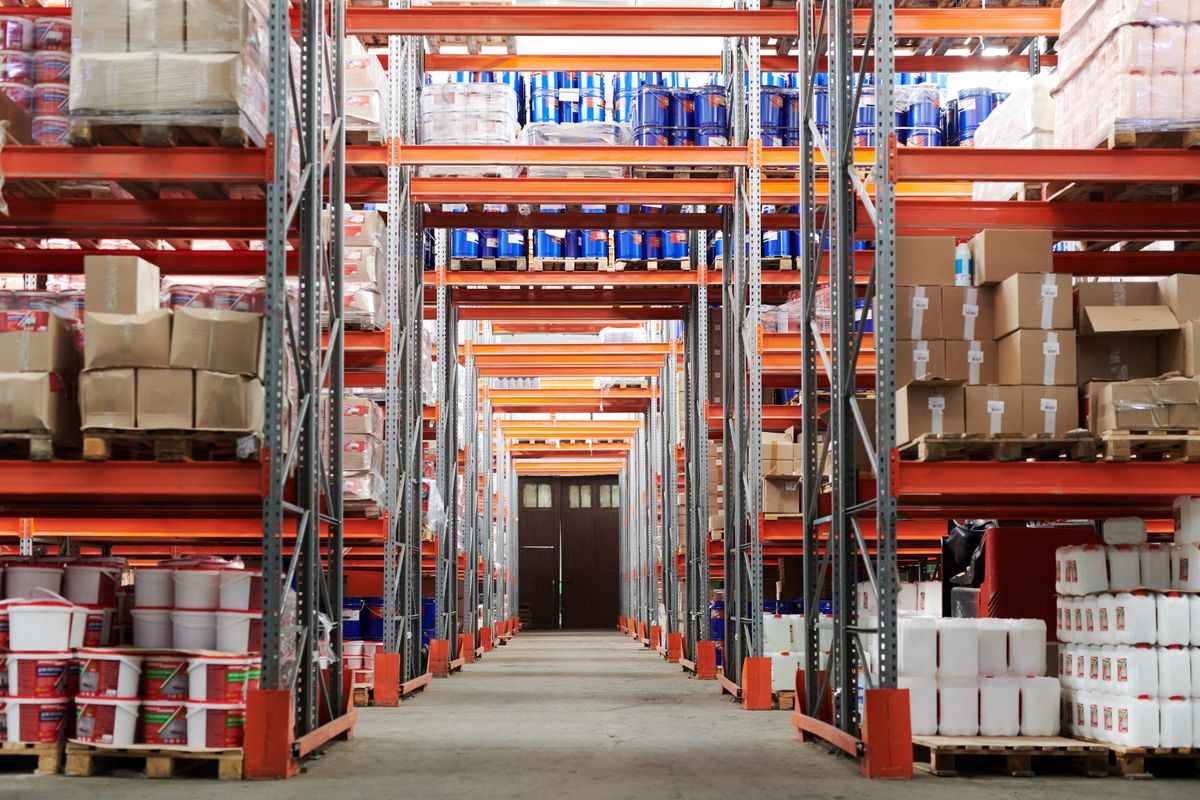
Imagine standing at the brink of a vast warehouse not filled with bustling workers and the cacophony of voices, but orchestrated by the silent, precise dance of robots and machines. This isn't a scene from a sci-fi movie; it's the reality of modern warehousing where technology reigns supreme. As we navigate through aisles governed by digital systems, let's delve into how automation, robotics, and digitalization are not just trends but essential components shaping the future of warehousing.
Automation: Streamlining Processes for Greater Efficiency
Automation is at the forefront of modern warehousing trends. It simplifies repetitive tasks, allowing human workers to focus on more complex and creative aspects of the business. By integrating automation, companies can achieve:
- Increased productivity: Automated systems can handle tasks such as sorting, picking, and packing faster and more accurately than human labor. According to a report by Logistics Management, companies that implement automation see a 20% increase in productivity.
- Cost savings: By integrating automation into warehouse processes, companies can substantially decrease labor costs. A study by Statista found that 56% of companies cite cost reduction as a primary driver for adopting automation. With automated systems taking over tasks traditionally done by human workers, businesses can achieve cost efficiencies through reduced labor expenses and improved resource allocation.
- Improved safety: Automation not only enhances operational efficiency but also plays a pivotal role in ensuring the safety of workers. By delegating hazardous and physically demanding tasks to machines, companies can minimize the risk of workplace injuries. This not only protects employees' well-being but also reduces potential downtime and liability associated with workplace accidents.
Robotics: Precision and Adaptability at Its Best
The use of robotics in warehousing has expanded rapidly, providing businesses with tools that are both versatile and precise. Modern robotics offers several benefits:
- Enhanced accuracy: Robots outfitted with sophisticated sensors and AI technology can execute tasks with exceptional precision, significantly reducing the margin of error. This accuracy not only minimizes costly mistakes but also bolsters customer satisfaction by ensuring that orders are correctly fulfilled the first time.
- Flexibility: Autonomous mobile robots (AMRs) are capable of maneuvering around warehouse floors with agility, dynamically adjusting to shifting environments. Utilizing real-time data, these robots can optimize their routes and operations to increase efficiency, reduce congestion, and adapt to changes in inventory or workflow.
- 24/7 operations: Unlike human workers, robots do not require rest periods or breaks, allowing for continuous, around-the-clock operations. This uninterrupted productivity results in faster turnaround times and greater overall output, enabling warehouses to meet high demand and maintain consistent performance regardless of the time of day.
Digitalization: Bridging the Gap Between Physical and Virtual
Digitalization ties everything together, creating a seamless connection between the physical and digital aspects of the warehouse. This integration is essential for:
- Real-time monitoring: Digital tools provide businesses with the ability to track inventory levels, equipment performance, and overall productivity as they occur. This real-time visibility allows managers to make informed decisions quickly and respond to operational changes as they happen. As a result, businesses can maintain optimal performance, manage resources efficiently, and minimize disruptions.
- Data-driven insights: Digital systems collect and analyze vast amounts of data from daily operations, providing valuable insights into areas such as workflow efficiency, inventory management, and employee performance. According to the International Data Corporation (IDC), the global data economy is projected to grow to $5.5 trillion by 2025, highlighting the importance of leveraging data analytics. By utilizing these insights, companies can identify areas for improvement, streamline processes, and develop strategies for future growth.
- Improved supply chain visibility: Digitalization enhances end-to-end transparency in the supply chain, offering businesses a comprehensive view of each stage from sourcing to delivery. This increased visibility allows companies to anticipate potential disruptions, such as delays or shortages, and proactively address them before they impact operations. Improved visibility also contributes to better coordination with suppliers and logistics partners, leading to more efficient operations and improved customer satisfaction.
How These Trends Address Industry Challenges
- Labor Shortages and Costs: By integrating automation and robotics into warehouse operations, businesses can alleviate the pressure caused by labor shortages and minimize their dependence on manual labor. Automated systems can handle repetitive tasks more efficiently, enabling companies to maintain productivity levels even when there are fewer workers available. This shift not only helps in reducing labor costs but also in maintaining consistent operational performance.
- Demand for Speed and Accuracy: In today's fast-paced consumer environment, expectations for rapid and precise delivery have never been higher. To meet these demands, advanced technologies such as AI-powered sorting systems and real-time tracking tools are implemented. These technologies streamline order processing, allowing warehouses to operate with higher speed and accuracy, ensuring customer orders are fulfilled quickly and precisely.
- Scalability and Flexibility: Digital tools play a crucial role in enabling warehouses to adjust their operations based on fluctuating demand. By leveraging data analytics and AI-driven systems, warehouses can scale their operations up or down without incurring significant additional costs. This adaptability not only helps in managing inventory levels efficiently but also allows businesses to respond promptly to market trends and changes in consumer demand.
Embracing Technology for Competitive Advantage
The integration of automation, robotics, and digitalization is not just about keeping up with trends—it's about staying ahead in a competitive landscape. For businesses contemplating the next step, embracing these technologies offers a pathway to enhanced efficiency, cost management, and customer satisfaction. As we look to a future where these tools are ubiquitous, the question for warehouse operators is not if they will adapt, but how swiftly they can do so to reap the benefits.
For warehousing professionals seeking to navigate this evolving landscape, the journey toward technological adoption might seem daunting, but it is undoubtedly rewarding. By leveraging these innovations, businesses can transform their operations and secure a strong foothold in the future of logistics and distribution.
Tags
- Warehouse management
- Modern Warehousing
- Shipping Agents
- Liner Agencies
- Shipping Line
- Liner Agencies
- Liner Agencies