- The 4 categories of freight forwarding failures: Most shipping failures can be divided into four categories to learn more about these problems:
- Actual Business Situations of Miscarried Shipments: A company delivers products in a short delivery schedule.
- Early Warning Signs Your Shipment Might Go Wrong: Be alert to the following red flags:
- Freight Forwarding Problems in India: To companies doing business in India, other issues can make it risky:
The shipment was timely. No issues.
Then came the update, "Held at customs."
No explanation. No timeline.
Just postponing, and expenses are beginning to mount for the construction.
And, as you have felt, you are not alone.
What Happens When Freight Forwarding Goes Wrong?
In situations where freight forwarding fails, delays occur during freight shipments due to inaccurate documentation, customs detention, lack of coordination, or cost reduction that results in higher costs, missed deadlines, and operational disruptions.
What Causes Freight Forwarding Failures to occur?
Even then, a freight forwarder is a very crucial element, but still, things may go awry.
Not necessarily due to a big error.
The majority of failures are due to minor gaps that add up:
- Lacking or faulty information.
- Poor shipment planning
- Lack of coordination among the stakeholders.
- Over-reliance on assumptions
- Freight forwarding is a chain.
And a weak place anywhere may drag it all.
The 4 categories of freight forwarding failures
Most shipping failures can be divided into four categories to learn more about these problems:
- Documentation Failures – Paperwork mistakes or omissions.
- Cost-Driven Decisions – Selecting price, not reliability.
- Coordination Failures – Misfit between stakeholders.
- Compliance and Customs Problems – Regulatory slowdowns and inspections.
A combination of these, not only one, is most often the case in real-world problems.
Actual Business Situations of Miscarried Shipments
Scenario 1: The Documentation Error that brought everything to a halt
A company delivers products in a short delivery schedule.
At the port, the shipment is marked off.
What went wrong?
An inconsistency between the invoice and the packing list.
Result:
- Inventory under inspection.
- Additional documentation required
- Days of delay
- Unexpected costs
It was not a big problem, but the effect was.
Scenario 2: The cheapest option that was expensive
A company selects the lowest freight quote to save money.
It appears to be a brilliant move on paper.
But then
- Shipment is rolled over to the next ship.
- Transit time increases
- Delivery promises are missed.
- Storage and handling charges increase
The appearance of cheapness in the short term actually made it more expensive in the long term.
Scenario 3: The Chain is broken by poor coordination
There are various stakeholders in freight forwarding:
- Exporter
- Freight forwarder
- Shipping line
- Customs broker
- Importer
In this case:
- The exporter was supposed to do the documentation.
- The forwarder supposed that it was already done.
- The ship came into port but could not go ahead.
Result:
- Delays
- Confusion
- Blame between parties
Such a mere misunderstanding led to a significant inconvenience.
Scenario 4: Stuck Cargo at Customs with No Clarification.
A delivery arrives at the destination.
Days pass. No movement.
Updates are vague:
- “Under process”
- “Awaiting clearance”
What’s actually happening?
- Regulatory checks
- Missing compliance details
- Absence of follow-up.
Even routine customs operations can become lengthy delays without proper handling.
Delay Impact vs Control: What You Can Control
Scenario
Root Cause
Impact Level
Preventable?
Documentation error
Incorrect paperwork
High
Yes
Cheapest option
Cost-first decision
High
Yes
Poor coordination
Miscommunication
High
Yes
Customs delay
Compliance checks
Medium–High
Partially
Key lesson: High-impact failures can be prevented in many cases.
What are these scenarios like?
- Different situations. Same pattern.
- Minor problems not addressed early enough.
- Absence of responsibility.
- Reactive instead of proactive handling
- Lay emphasis on low prices rather than quality.
This is where most freight forwarding procedures go wrong, not in implementation but in pre-emption.
Early Warning Signs Your Shipment Might Go Wrong
Be alert to the following red flags:
- No documentation accuracy confirmation.
- Indistinct or tardy notices on the part of your forwarder.
- Last-minute shipment bookings
- Lack of roles and responsibilities.
- Missing compliance details
These can be spotted early enough to avoid huge derailments.
Freight Forwarding Problems in India
To companies doing business in India, other issues can make it risky:
- Congestion in the port of Nhava Sheva (JNPT) and Mundra
- Complex customs regulations
- Infrastructure variability
Local knowledge is very important in preventing delays.
How to avoid freight forwarding problems
You should not get rid of risk entirely, but you can mitigate it greatly.
1. Standardize Documentation
Develop in-house controls before each delivery.
2. Plan Beyond Dispatch
Take into account customs clearance, delivery times, and potential disruptions.
3. Select Reliability, not Price.
The lowest quotation is usually at a greater risk.
4. Work with Experienced Freight Forwarders
When things go wrong, experience is the most important.
5. Maintain Clear Communication
Assign roles, clarify roles, and keep up.
Checklist to Avoid Freight Forwarding Failures
Before your shipment moves, check:
- Documentation is verified and complete.
- Roles and responsibilities are well defined.
- Optimization of the route and transport mode is done.
- Buffer time is included.
- Channels of communication are set up.
Quick Summary
To avoid freight forwarding failures:
- Verify documentation carefully
- Plan shipments proactively
- Choose reliable partners
- Be aware of all phases
FAQs: Freight Forwarding Problems & Solutions
1. The freight forwarding can go wrong in what way?
The challenges that may be experienced in freight forwarding include documentation errors, and delays at the customs, lack of coordination and unexplained costs that may cause delays in shipments and high costs.
2. Can all freight forwarding delays be avoided?
No. It is not possible to control external factors such as weather or port congestion, but these factors can be greatly mitigated with the planning and coordination.
3. What is the importance of documentation in freight forwarding?
Proper documentation will provide adherence to international rules. There is a risk of shipment holds, inspections, or penalties, even due to small errors.
4. What are the unexpected issues, and how do freight forwarders deal with them?
The skilled freight forwarders liaise with carriers, customs, and agents to overcome derailments swiftly and ensure that the shipments proceed.
5. Can you afford to use a cheaper freight forwarder?
Yes. Cheaper alternatives can sacrifice the quality of reliability and coordination and pose a higher risk of delays and extra fees.
Freight Forwarding: Need Expert Help?
In case of a failure in freight forwarding, the effect is not just time loss, but it also affects the price, schedule, and customer confidence.
The distinction is in the extent to which the risks are addressed initially.
SJ Logistics India assists businesses to avoid expensive disruptions by:
- Better planning
- Strong coordination
- Proactive problem-solving
Get to know where your shipments are weakest. Talk to our freight experts today and prevent costly failures before they happen.
Tags- Freight Forwarder
- Freight Forwarding
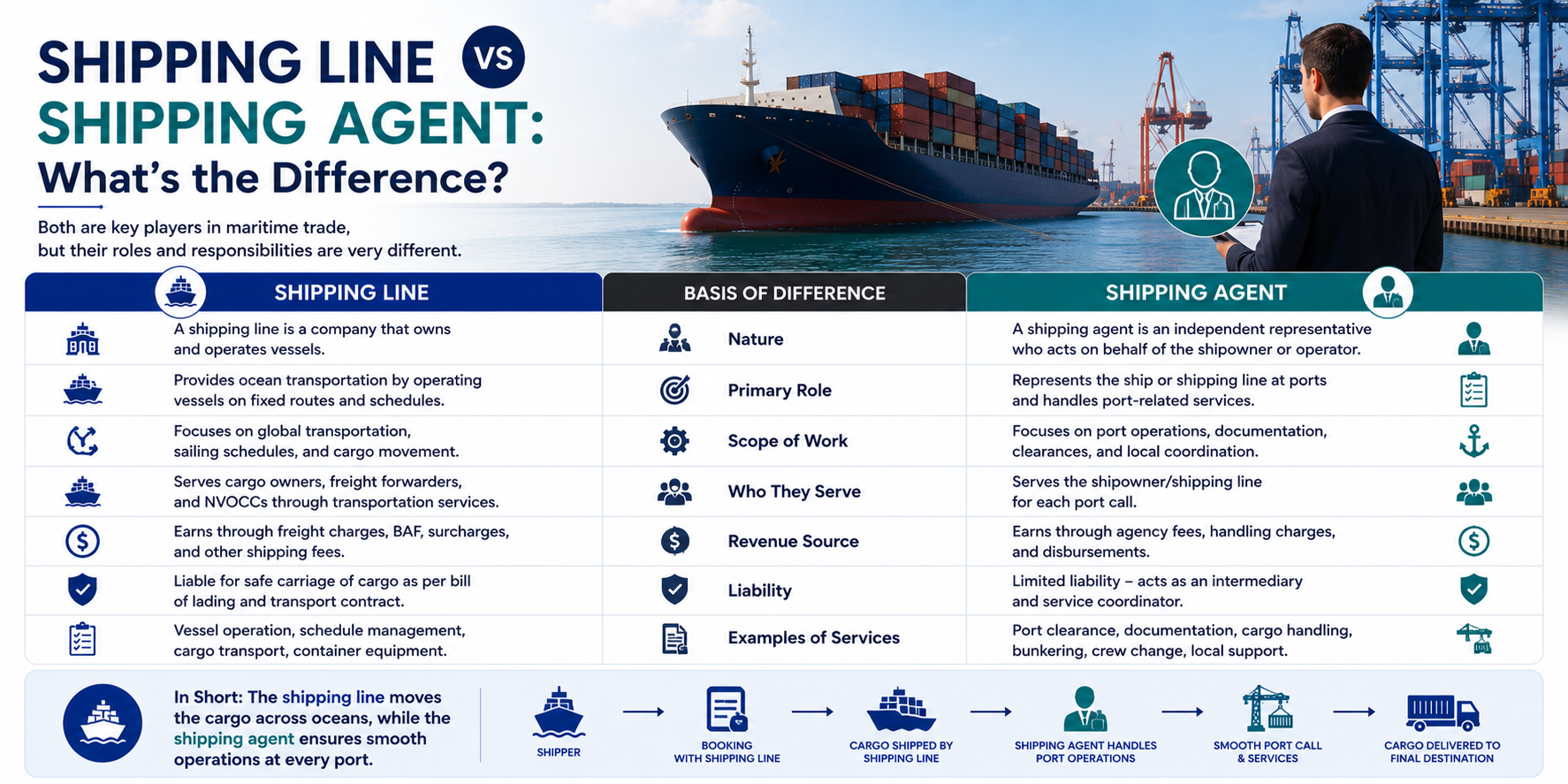
- Shipping Agents
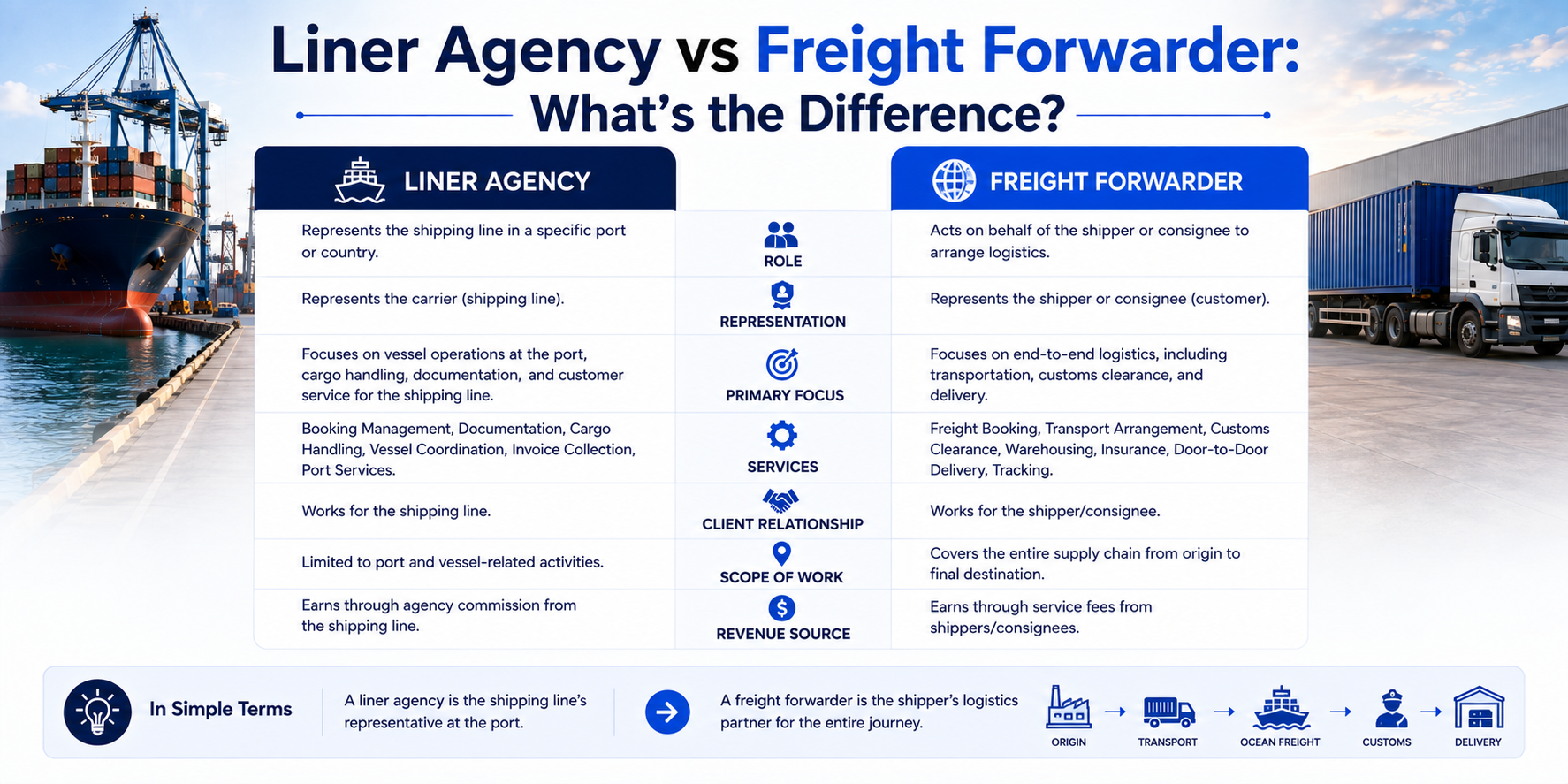
- Liner Agencies
- Shipping Line
- Liner Agencies
- Liner Agencies