- What Is Domestic Transportation in Logistics?: Domestic transportation refers to the physical movement of goods within a single country.
- What Is Inland Logistics and How Does It Work?: Inland logistics goes beyond movement.
- Difference Between Domestic Transportation and Inland Logistics: Domestic transportation and inland logistics work together, but they serve distinct roles.
- Why the Difference Matters for Shippers and Supply Chain Teams: Understanding this distinction has a direct business impact:
Domestic transportation moves goods. Inland logistics manages how that movement works.
If you’ve ever used these two terms interchangeably, you’re not alone—and that confusion can quietly increase cost, delays, and planning gaps.
Domestic transportation and inland logistics are often treated as the same thing. They are not.
One focuses on moving cargo from point A to point B. The other focuses on planning, coordinating, and controlling how that movement happens across routes, modes, and time.
This distinction matters more than most shippers realize.
When the terms blur, planning weakens. Costs become fragmented. Delays repeat. A clear understanding helps businesses choose the right service, set realistic expectations, and maintain control across the inland supply chain.
What Is Domestic Transportation in Logistics?
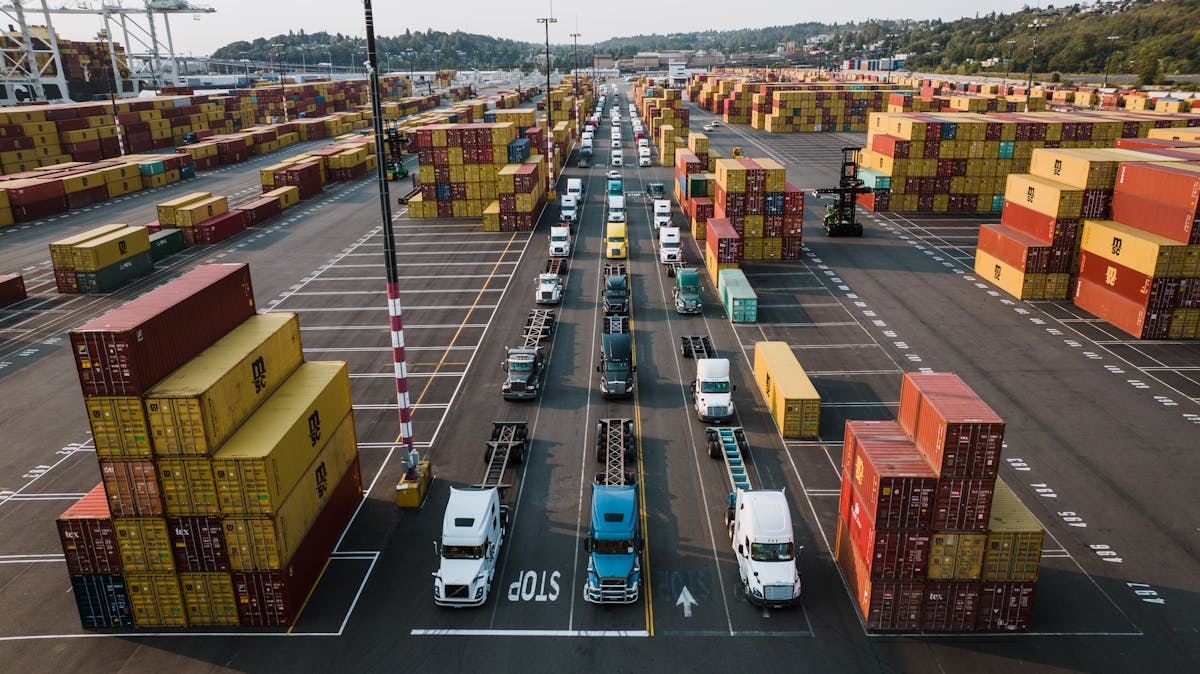
Domestic transportation refers to the physical movement of goods within a single country. It begins when cargo leaves its origin and ends when it reaches its domestic destination.
This function is execution-driven. The focus is on vehicles, routes, and delivery.
Domestic transportation typically includes:
- Road transport using trucks and trailers
- Rail movement for bulk or long-distance cargo
- Coastal shipping within national borders
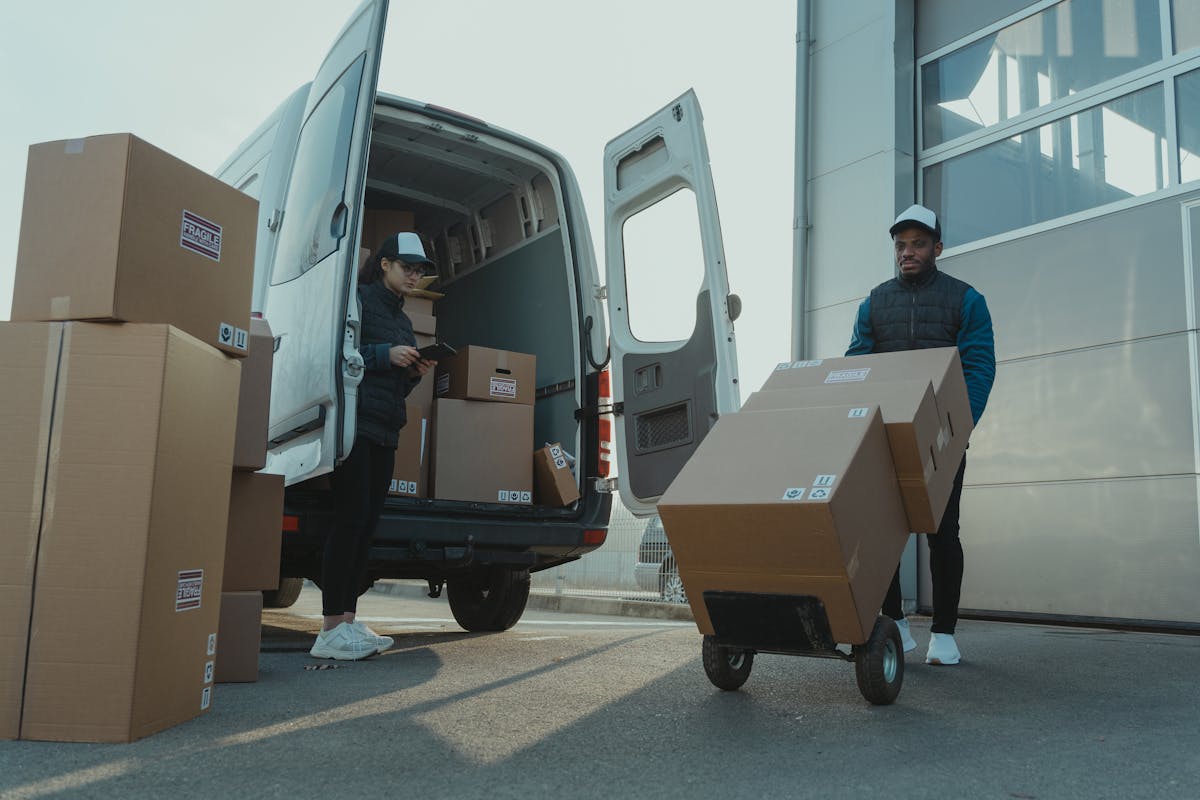
- Last-mile delivery to warehouses, distribution centers, or retail locations
At its core, domestic transportation answers one question:
How does the cargo move from one location to another inside the country?
What Is Inland Logistics and How Does It Work?
Inland logistics goes beyond movement. It manages everything that surrounds and supports domestic transportation so cargo flows without disruption.
This function is planning-driven. It connects transportation with time, coordination, and control across the inland supply chain.
Inland logistics usually includes:
- Route planning and load scheduling
- Mode selection between road, rail, and inland waterways
- Warehouse coordination and cargo staging
- Inventory timing and flow management
- Documentation, compliance, and handoff coordination
Inland logistics answers a different question:
How should cargo move so that time, cost, and resources stay balanced?
For shippers working with integrated providers like SJ Logistics, inland logistics often combines transportation, planning, and coordination under one system—reducing gaps between execution and control.
Difference Between Domestic Transportation and Inland Logistics
Domestic transportation and inland logistics work together, but they serve distinct roles. Confusing them often leads to incomplete planning and reactive problem-solving.
Area
Domestic Transportation
Inland Logistics
Core role
Moves goods
Manages how goods move
Primary focus
Vehicles and routes
Planning and coordination
Scope
Point-to-point movement
End-to-end inland flow
Decision level
Execution
Control and optimization
Cost impact
Direct transport cost (freight-only)
Total inland cost (delays, storage, coordination)
Domestic transportation handles motion. Inland logistics provides structure.
When both work in sync, cargo moves with fewer delays, better visibility, and lower total inland cost.
Why the Difference Matters for Shippers and Supply Chain Teams
Understanding this distinction has a direct business impact:
- Helps select the right service level, not just the lowest rate
- Improves cost visibility beyond freight charges
- Reduces delays caused by poor handoffs or misaligned schedules
- Enables better inland planning as volumes and complexity grow
Clear terms lead to clearer responsibility—and better outcomes.
When to Use Domestic Transportation vs Inland Logistics
Not every shipment needs full inland logistics. Not every move can succeed with transportation alone. The right choice depends on complexity, not habit.
Situation
Domestic Transportation Fits
Inland Logistics Fits
Route complexity
Single, direct route
Multiple routes or legs
Timing pressure
Flexible delivery windows
Tight or linked schedules
Handling points
One pickup and drop
Warehousing or staging is involved
Cost focus
Transport rate only
Total inland cost control
Planning needs
Minimal coordination
Active planning and oversight
Domestic transportation works best for simple, direct moves. Inland logistics becomes essential when control, timing, and coordination matter.
FAQs
1. What is the main difference between domestic transportation and inland logistics? Domestic transportation focuses on moving goods within a country. Inland logistics manages how that movement is planned, coordinated, and controlled across routes and stages.
2. Is inland logistics part of domestic transportation? Domestic transportation is a component of inland logistics. Inland logistics encompasses transportation, as well as planning, warehousing, scheduling, and coordination.
3. Do all shipments need inland logistics? No. Simple point-to-point movements often require only domestic transportation. Inland logistics becomes important as routes, timing constraints, or handling points increase.
4. Which is more cost-effective: domestic transportation or inland logistics? Domestic transportation may appear cheaper initially. Inland logistics often reduces total cost by minimizing delays, rehandling, and planning inefficiencies.
5. Can one provider handle both domestic transportation and inland logistics? Yes. Many logistics providers offer both services. The key is understanding whether your shipment needs only movement or full inland control.
6. Why do businesses often confuse these two terms? Both operate within national borders and involve cargo movement. The difference lies in planning versus execution, which is frequently overlooked.
Clear Terms Lead to Better Decisions
Domestic transportation and inland logistics are not interchangeable. One moves goods. The other manages how that movement works across time, routes, and resources.
When shippers understand the difference, planning improves. Costs stay visible. Delays reduce. The right choice depends on shipment complexity, not routine assumptions.
If you’re unsure whether your shipment needs simple transportation or full inland logistics control, the team at SJ Logistics can help clarify the right approach.
Tags- Inland Transportation
- Domestic Transportation
- Inland Logistics
- Inland Logistics Vs Domestic Transportation
- Shipping Agents
- Liner Agencies
- Shipping Line
- Liner Agencies
- Liner Agencies