What Are the Main Differences Between Air and Ocean Cargo Shipping?
Delivery Speed and EfficiencyImagine a scenario where a boutique in New York runs out of its bestselling handmade jewelry, and new stock is needed urgently from a designer in Paris. Air cargo becomes the hero, ensuring delivery in just two days, allowing the boutique to restock without missing sales.
Now picture a furniture manufacturer shipping a container of custom sofas to Australia. With no rush involved, ocean shipping, despite taking weeks, proves more economical and practical.
Cargo Capacity and Weight LimitsConsider a logistics company moving a fleet of vehicles to a foreign dealership. Ocean shipping offers massive cargo holds, accommodating heavy machinery and vehicles with ease. On the other hand, air cargo, with its limited capacity, is perfect for smaller, lighter, high-value shipments like electronics or medical supplies.
Why Choose Air Cargo Shipping?
Faster Delivery for Urgent GoodsImagine a pharmaceutical company needing to ship life-saving medications across continents. Every hour counts. Air cargo is the go-to solution for such critical deliveries, offering unmatched speed and efficiency.
Why it’s a good choice:
Delivery within 1–3 days for international routes.
- Perfect for industries requiring rapid turnaround, such as e-commerce and healthcare.
- Air cargo ensures your time-sensitive shipments always meet the clock.
Think of a luxury watch brand transporting its latest collection to a flagship store abroad. With air cargo, goods are less exposed to theft or damage due to shorter transit times and secure handling processes.
Additional benefits:
- Advanced tracking systems provide real-time updates.
- Higher security measures reduce the risk of tampering or loss.
Air cargo safeguards valuable shipments with unmatched security.
What Are the Limitations of Air Cargo?
Higher Costs for TransportationAir cargo offers speed, but this comes with a premium price. Businesses shipping large quantities or low-value goods often find the costs unsustainable. For instance, a retailer shipping furniture might face expenses far exceeding profits if they choose air over ocean.
Key points:
- Air freight is typically 4–5 times more expensive than ocean freight.
- Better suited for high-margin or lightweight goods.
The cost of air cargo is a trade-off for its unmatched speed.
Restrictions on Hazardous or Oversized ItemsRegulations limit the types of goods that can be shipped via air. Products like flammable materials, heavy machinery, or unusually shaped items often require alternative transport methods.
Key points:
- Strict regulations on hazardous and bulky goods.
- Not ideal for shipments requiring special handling, such as oversized equipment.
Air cargo isn’t built for the unconventional or restricted.
Why Ocean Shipping Might Be a Better Option
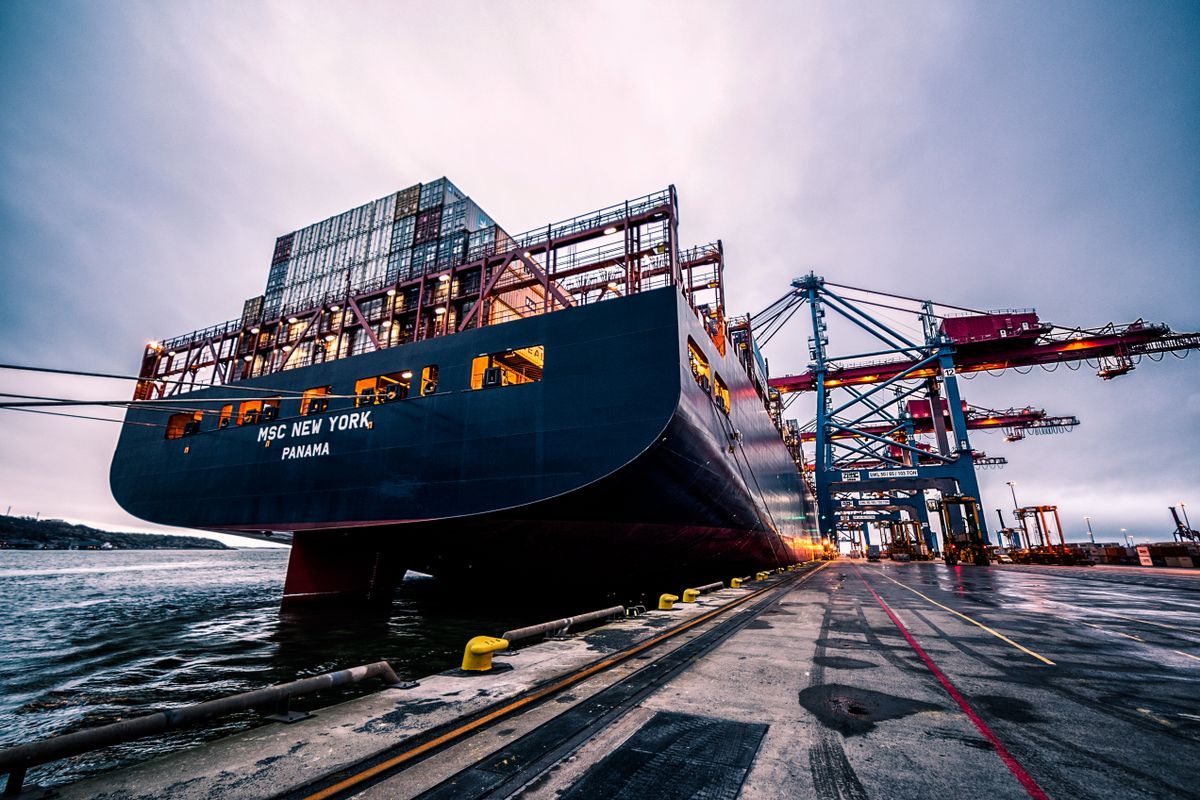
Cost-Effective for Bulk CargoImagine a small business owner in need of shipping hundreds of clothing items to a new market. Ocean cargo offers unbeatable cost savings for large shipments, making it the go-to option for businesses looking to move high volumes at a lower cost.
Key benefits:
- Ideal for bulk shipments and non-urgent deliveries.
- Significantly more affordable per unit compared to air freight.
Ocean shipping offers affordable solutions for large, less time-sensitive shipments.
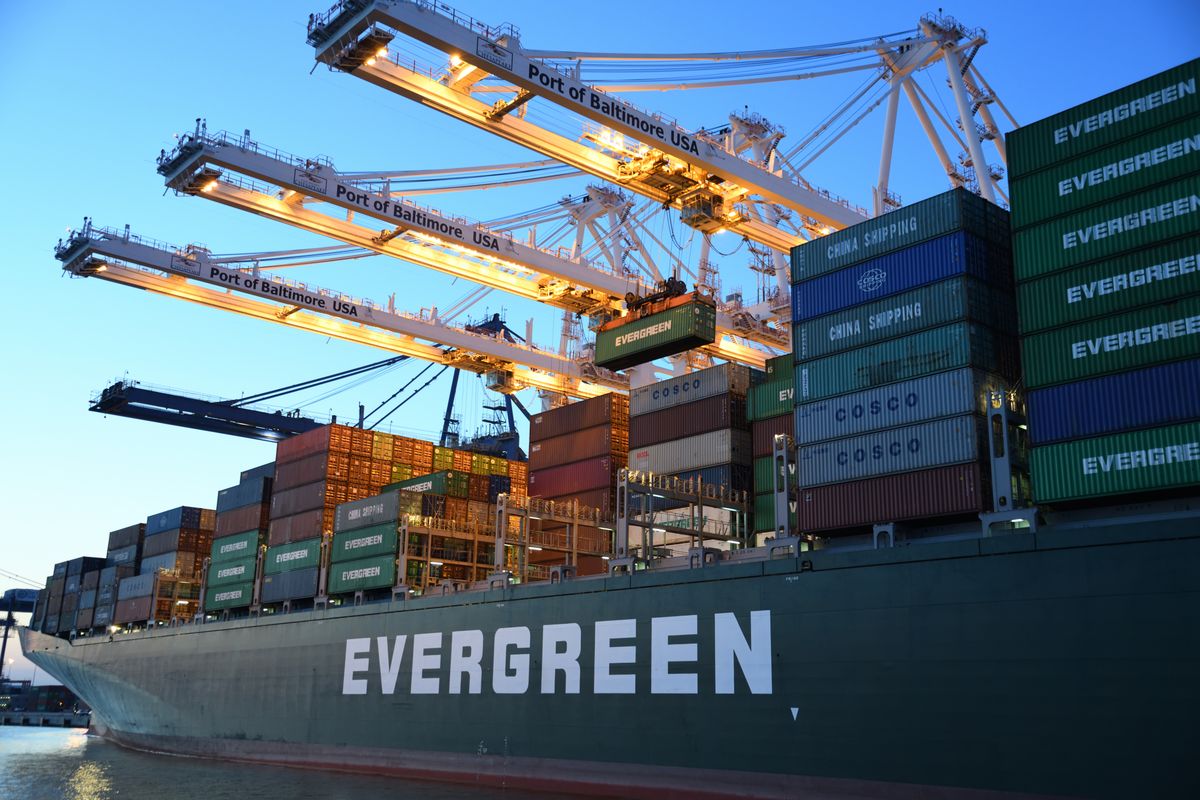
Ideal for Heavy or Oversized GoodsConsider an industrial manufacturer needing to ship heavy machinery. Ocean cargo can accommodate items of virtually any size or weight, making it a perfect choice for companies in sectors like construction or manufacturing.
Key benefits:
- Ability to transport large and heavy items.
- Suitable for cargo that exceeds air freight capacity.
When it comes to heavy or oversized shipments, ocean cargo is the go-to choice.
Drawbacks of Ocean Cargo Shipping
Longer Transit TimesShipping goods via ocean freight can take anywhere from a week to a month, depending on the route. For businesses needing faster delivery, this delay can be a significant disadvantage, especially when compared to air cargo's speed.
Key points:
- Transit times range from several days to weeks.
- Not ideal for urgent shipments.
Ocean shipping’s slow pace can impact time-sensitive deliveries.
Risks of Port Congestion and DelaysPicture a significant shipment stuck at a congested port due to weather or customs delays. While air cargo has streamlined processes, ocean freight can experience unpredictability due to port congestion or labor strikes, leading to extended delivery times.
Key points:
- Ports can become overwhelmed, especially during peak seasons.
- Delays may be beyond the control of shippers.
Ocean cargo’s dependency on port efficiency can lead to unforeseen delays.
How to Decide Between Air and Ocean Cargo
Key Considerations for Budget and Delivery NeedsIf cost is a primary factor and you have more flexibility with time, ocean cargo could be your best bet. On the other hand, if you’re on a tight deadline and can afford the extra expense, air shipping is the way to go.
Key factors to consider:
- Tight deadlines vs. flexible delivery schedules.
- Budget constraints and cost-effectiveness.
Balancing budget and timing is crucial when choosing the right shipping method.
Evaluating Your Cargo Type and UrgencyThink about the nature of your goods. Are they time-sensitive, perishable, or high-value? Air cargo is ideal for urgent or delicate items, while ocean cargo works better for bulkier, non-perishable goods.
Key considerations:
- Perishable or high-value goods often need air freight.
- Large volumes or non-urgent items are better suited for ocean freight.
The type of cargo you’re shipping will greatly influence your decision.
Comparison of Air and Ocean Shipping
When deciding between air and ocean cargo, consider factors such as speed, cost, and the nature of your goods.
- Air cargo is ideal for urgent shipments, offering quick delivery within days but comes with higher costs. It's best for time-sensitive or high-value items such as electronics or pharmaceuticals.
- Ocean cargo, on the other hand, is cost-effective for large shipments but can take much longer. It’s well-suited for bulk goods or non-urgent shipments like furniture or industrial equipment.
Ultimately, your choice depends on balancing the time you can afford and the budget available for your shipment.
The right shipping method is all about matching speed with cost and cargo needs.
FAQs About Air and Ocean Cargo Shipping
Q1: Which is faster, air cargo or ocean cargo? A: Air cargo is significantly faster, with delivery times of 1–3 days, while ocean cargo typically takes 1–4 weeks depending on the route.
Q2: Is air cargo always more expensive than ocean cargo? A: Yes, air cargo is generally 4–5 times more expensive due to the speed and efficiency it offers, while ocean cargo is cost-effective for larger, non-urgent shipments.
Q3: What goods are best suited for air cargo? A: Air cargo is ideal for time-sensitive, high-value, or perishable items, such as electronics, pharmaceuticals, or luxury goods.
Q4: Can oversized or heavy items be shipped via air cargo? A: Not usually. Air cargo has strict size and weight limitations, making ocean shipping the better option for bulky or oversized goods.
Q5: What factors influence ocean shipping times? A: Transit times are affected by the shipping route, port congestion, weather conditions, and customs clearance processes.
Q6: How can I decide which shipping method is best for my business? A: Evaluate your budget, delivery timelines, and cargo type. For fast, small shipments, choose air cargo; for cost-effective, large shipments, go with ocean cargo.
Key Considerations for Small Businesses
Which Shipping Method is Best for Small Businesses?Small businesses with tighter budgets and more flexibility in delivery timelines often find ocean shipping to be the best option due to its cost-effectiveness for bulk goods. However, when speed is crucial, such as for seasonal products or urgent inventory replenishments, air cargo offers a reliable—albeit more expensive—alternative.
Balancing urgency and cost is key to optimizing shipping for small businesses.
Factors That Influence Shipping CostsShipping costs are influenced by various factors, including the cargo's weight and volume, the shipping distance, and the chosen transport method. Air cargo calculates rates primarily on weight, making it suitable for lighter items. In contrast, ocean cargo is more economical for larger, bulkier shipments as it focuses on volume.
Knowing these factors helps businesses budget smarter for their logistics needs.
Tags- Ocean Freight
- Air Freight
- Project Cargo
- Logistics
- Cargo Shipping
- Air vs. Ocean Cargo Shipping
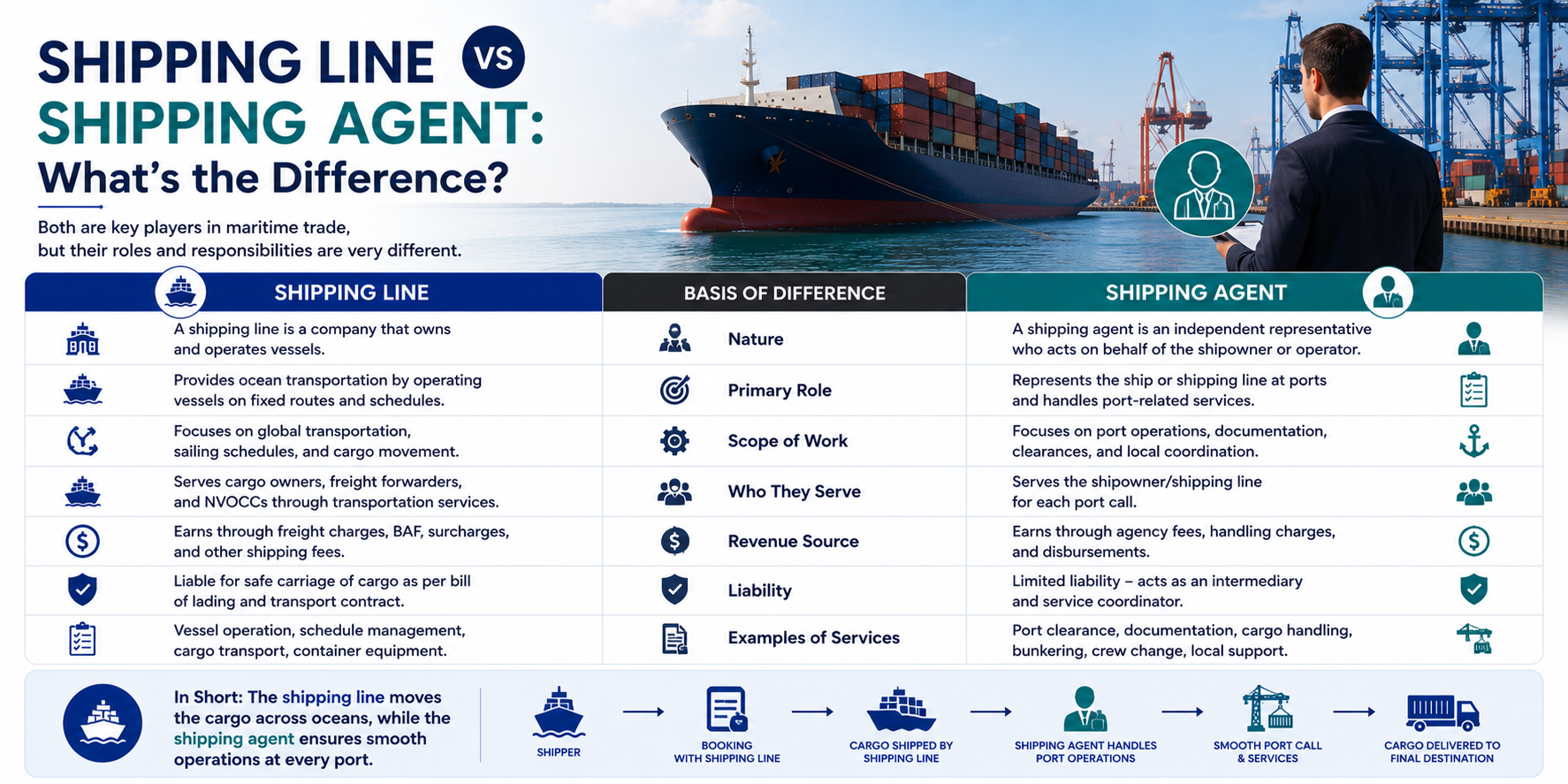
- Shipping Agents
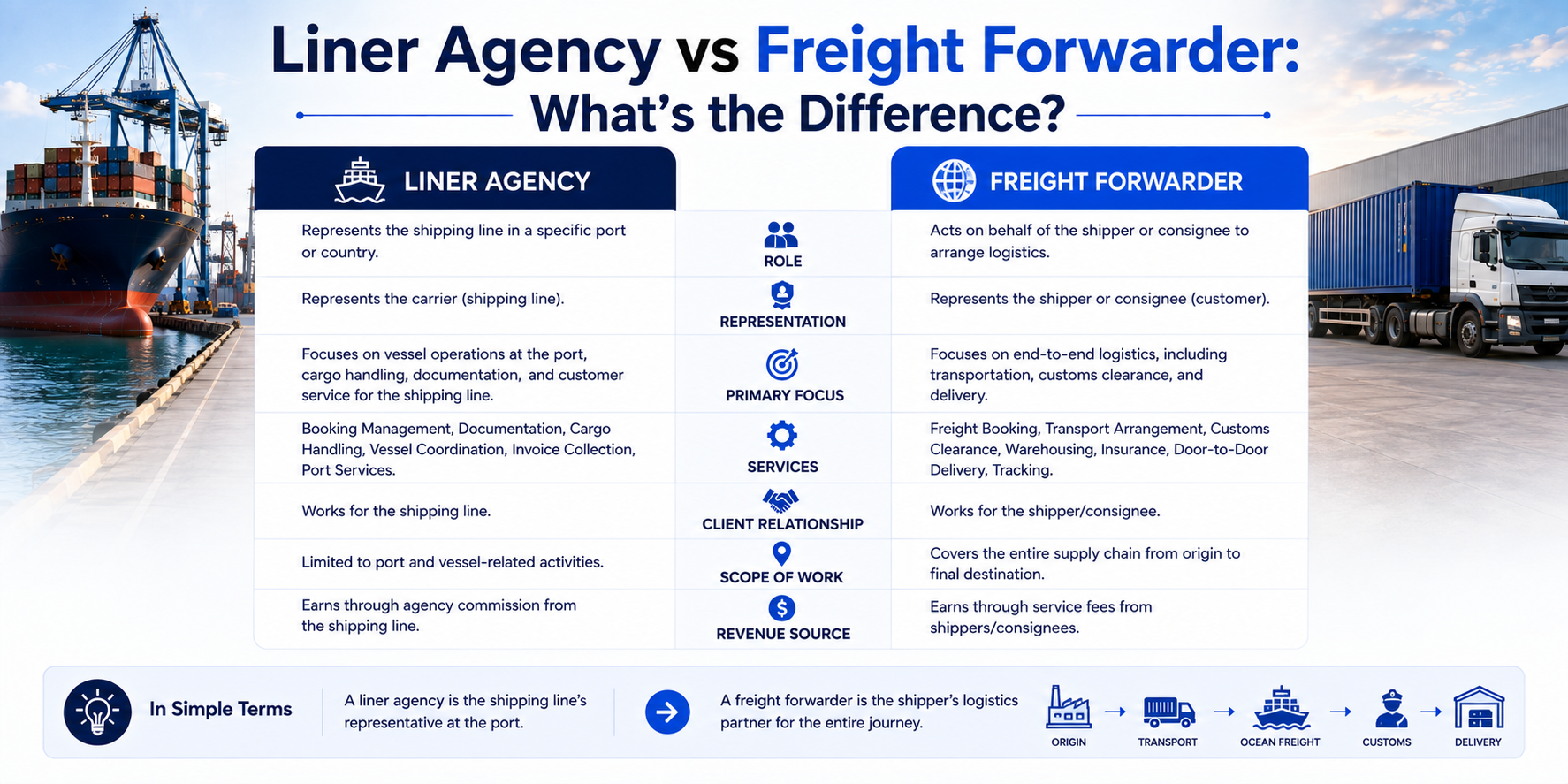
- Liner Agencies
- Shipping Line
- Liner Agencies
- Liner Agencies